

AI Governance and Risk Consulting

Workplace AI Risk Assessment, Policy, Verification and Assurance for Australian Organisations
Solve Safety has a trusted and professional team of work health and safety consultants in Melbourne. We assist organisations in navigating complex workplace safety issues with confidence. Artificial intelligence has now become one of those issues.
As a duty holder of a business, your legal duty under the OHS Act is that you must ensure your workplace is safe for your workers and the public. That duty has not been reduced because a staff member can open ChatGPT, Copilot, Gemini or another public AI tool and produce a policy, SWMS, procedure, checklist, training pack or audit template in minutes.
Your workplace can be dangerous. Hazards still have the potential to kill, injure or cause ill health. A safe workplace still does not happen by chance or guesswork. What has changed is the speed at which documents can be created, and the ease with which unverified information can look professional enough to be used on a live site.
Solve Safety now provides AI governance and risk consulting for organisations that need more than a downloaded AI policy. We partner with you to assess how AI is being used, identify the workplace and business risks it creates, put practical controls around it, and verify that AI-assisted safety information reflects the actual operation. Based in Melbourne, we service clients Australia wide.
This is not an IT project, a software sale, or a theoretical ethics workshop. It is organisational risk, compliance, leadership, consultation, document control and ongoing assurance — the same work Solve Safety already does for WHS, quality and environmental management, applied to a new class of workplace risk.
What this means for you: Just because an AI tool can write a safety document in seconds doesn't mean your workplace is safe.
The bottom line: By law, business owners are still 100% responsible for keeping workers safe from real-world hazards. Solve Safety steps in to check the AI-generated shortcuts, fix hidden errors, and make sure your safety paperwork matches what's happening on the ground.
AI Governance & Risk Consulting: A Step-by-Step Guide
Step 1: Mapping the Reality (Discovering How AI is Used)
What happens: We sit down with your team to look at where AI tools are sneaking into your daily operations.
Why it matters: Staff are often generating safety checklists, SWMS (Safe Work Method Statements), and procedures using public AI without telling management. We find out what's being used and why.
Step 2: Spotting the Hidden Dangers (Risk Assessment)
What happens: We review the AI-generated documents against real-world workplace hazards.
Why it matters: AI can easily invent realistic-sounding safety steps that are completely wrong for your specific machinery, site layout, or state laws, creating a false sense of security.
Step 3: Setting Ground Rules (Practical Policy & Controls)
What happens: We help you build clear, workable rules for when AI can and cannot be used in your business.
Why it matters: Instead of a generic downloaded template, you get practical guidelines that stop dangerous shortcuts while still letting your team work efficiently.
Step 4: Testing and Double-Checking (Verification & Assurance)
What happens: We cross-examine your safety documents against actual site practices and current Australian OHS laws.
Why it matters: This ensures your paperwork doesn't just look professional on a screen—it protects your workers and fulfills your legal duty as a business owner.
Note: This isn't an IT upgrade or a computer course. It is hands-on safety management designed to keep your people safe in the age of fast, AI-generated paperwork.
The legal duty has not changed. The risk profile has.
Healthy and safe workplaces are a legal requirement in Australia and a basic right of workers. Occupational health and safety management exists to minimise the risk of injury and the potential for hazards to occur. AI does not sit outside that framework.
If AI is used to create or influence any of the following, it is part of your work health and safety and business governance system:
safe systems of work
SWMS, JSAs or procedures
risk assessments and legal registers
Traffic Management Plans
induction, training or competency material
incident reports, investigations or audit findings
contractor information, client reports or management-system documents
how work is allocated, scheduled, monitored or performance-managed
The person conducting the business or undertaking remains responsible. Officers still need to exercise due diligence. A competent person still needs to own the judgement. AI cannot take that accountability.
Australian organisations are also facing a tightening set of expectations around responsible AI use, privacy, automated decision-making, psychosocial hazards and digital work systems. NSW has moved first to make digital work systems an explicit WHS issue. Other jurisdictions, clients, insurers, principal contractors and certification bodies are moving in the same direction even where the statute is worded differently.
Government guidance, including Australia’s responsible AI material and the Voluntary AI Safety Standard / Guidance for AI Adoption, is also becoming a reference point in tenders, client due diligence and management-system reviews. Solve Safety works with those expectations in practical terms: who is accountable, what the impacts are, how risk is measured and managed, what information is shared, how systems are tested and monitored, and where human control is retained.
We work closely with clients to understand the environment of their practice and apply the procedures needed to improve their safety culture — including how AI is used inside that culture.
What this means for you: The law hasn't changed, but the risks have. Even if artificial intelligence helps write your safety documents, management and business leaders are still 100% on the hook legally if something goes wrong.
The bottom line: AI cannot take responsibility, sign off on safety, or stand up in court. Solve Safety helps you keep human control firmly in the driver's seat while meeting rising government and industry expectations around digital safety.
The Changing Risk Profile: A Step-by-Step Guide
Step 1: Recognizing Where AI Touches Your Business
What happens: We look closely at every operational touchpoint where AI might be sneaking into your systems—from Safe Work Method Statements (SWMS) and traffic management plans to staff inductions and incident reports.
Why it matters: If AI influences how work is planned, scheduled, or documented, it officially forms part of your work health and safety (WHS) management system.
Step 2: Upholding Executive Accountability and Due Diligence
What happens: We reinforce clear lines of human ownership so that company officers and managers maintain absolute oversight.
Why it matters: Technology can generate text instantly, but it cannot exercise legal due diligence. A qualified human expert must always own the final safety judgment.
Step 3: Navigating Tightening Legal and Industry Standards
What happens: We help you align your operations with emerging regulatory expectations around digital work systems, privacy, and automated decision-making—including evolving state guidelines.
Why it matters: Insurers, principal contractors, and certification bodies are raising the bar. Staying ahead protects your tenders, client relationships, and legal standing.
Step 4: Applying Practical Governance and Human Control
What happens: We implement practical frameworks based on Australia’s Voluntary AI Safety Standards to measure risk, govern data, and ensure human control is never compromised.
Why it matters: This builds a resilient safety culture where technology supports your workers without quietly introducing hidden hazards.
Note: AI is a powerful assistant, but accountability always rests with leadership. Solve Safety ensures your digital practices protect your people and satisfy your legal duties.

Documents are no longer the product. Assurance is.
The biggest commercial and safety risk is not that AI replaces safety consultants outright. It is that it reduces the perceived value of document production, while increasing the chance that a generic document is treated as a site-specific control.
Policies, procedures, SWMS drafts, checklists, training material, audit templates and generic compliance documents can increasingly be produced quickly and cheaply. Clients will become less willing to pay consultancy rates for work they believe AI can generate themselves. That is already happening.
The problem is that a 30-page Traffic Management Plan generated in minutes is not the same as assessing the workplace, identifying vehicle and pedestrian risks, determining appropriate controls, consulting the people who do the work, and producing a plan that reflects the actual operation.
That distinction will become more important, not less. This service is built around work AI cannot credibly perform without professional input:
site assessment
hazard identification
worker and contractor consultation
risk judgement
legal interpretation
implementation
verification
ongoing assurance
In short, Solve Safety sells the outcome, not the document. Instead of “we develop a Traffic Management Plan”, the service becomes “we assess the workplace, identify vehicle and pedestrian risks, determine appropriate controls and develop a Traffic Management Plan reflecting the actual operation.” The same shift applies to SWMS, procedures, ISO documentation, legal registers and AI workplace policy.
That is also how the business should be talking about the rest of its services. AI will weaken generic document production. It will increase the value of assessment, implementation, verification and retained support — provided the client can see the difference on the page.
What this means for you: Anyone can use AI to generate a safety document in seconds, but a piece of paper doesn't make a workplace safe.
The bottom line: The real value isn't typing up words anymore—it's doing the actual on-the-groundwork, consulting your people, and making sure the controls actually match reality. Solve Safety sells peace of mind and verified outcomes, not just generic paperwork.
Moving from Documents to Assurance: A Step-by-Step Guide
Step 1: Shifting Focus from Paperwork to Real-World Results
What happens: We recognize that fast, cheap AI-generated templates are flooding the market, making basic document creation look effortless.
Why it matters: Treating a generic 30-page document as a real safety control creates a false sense of security and exposes your business to massive legal risk.
Step 2: Doing the Work AI Cannot Do
What happens: We focus our expertise where technology falls short—conducting physical site assessments, identifying hidden hazards, and talking directly with the people doing the work.
Why it matters: An algorithm cannot walk your floor, consult your workers, or exercise professional safety judgment. Human insight is irreplaceable.
Step 3: Re-Engineering Our Service Around True Assurance
What happens: We change how safety solutions are delivered—moving away from simply handing over a file to guaranteeing that the controls reflect actual site operations.
Why it matters: Clients aren't paying for a PDF; they are paying to ensure their workplace is genuinely secure, compliant, and legally defensible.
Step 4: Providing Ongoing Verification and Support
What happens: We establish continuous oversight, legal interpretation, and verification across all your critical systems, from Traffic Management Plans to SWMS and ISO documentation.
Why it matters: As AI makes document production easier, true safety leadership will be defined by rigorous implementation, verification, and retained support.
Note: AI can draft a document in minutes, but only expert human consultation and rigorous testing can guarantee your workplace is safe.
Workplace AI risks in detail
There can be several AI-related risks in a workplace, ranging from information leaving the business through to people being hurt because a document did not match the work. It is crucial to be aware of all of them, not only the obvious ones. Understanding these hazards allows an organisation to take preventative measures rather than discovering the gap after an incident, a failed audit or a client complaint.
What this means for you: Workplace AI risks go far beyond simple computer hacking or data leaks. They include real-world dangers like workers getting hurt because an AI-generated safety guide gave wrong instructions, or staff burning out under automated pressure.
The bottom line: Spotting these hidden traps early lets your business fix safety gaps proactively, rather than finding out about them after an accident, a failed audit, or a regulatory penalty.
Workplace AI Risks in Detail: A Step-by-Step Guide
Step 1: Data Leaks and Confidentiality Breaches ("Shadow AI")
What happens: Employees paste confidential company information, client lists, or sensitive operational details into public AI tools without realizing that data is stored or used externally.
Why it matters: This compromises corporate privacy, breaches commercial contracts, and exposes intellectual property to competitors or cyber threats.
Step 2: Dangerous Output Quality (The "Confident Mistake")
What happens: Generative AI writes safety documents, checklists, or Safe Work Method Statements (SWMS) that look entirely professional but contain fatal flaws for your actual site machinery or state laws.
Why it matters: Treating an unverified, generic AI document as a live site control creates a false sense of security that can lead directly to physical injuries or fatalities.
Step 3: Psychosocial Hazards and Algorithmic Stress
What happens: Algorithms and digital work systems dictate tight work schedules, track productivity metrics too closely, or automate routine jobs until only high-stress tasks remain.
Why it matters: This causes high job demands, reduces worker autonomy, increases mental fatigue, and drives up workplace stress and burnout.
Step 4: Accountability Gaps and Poor Change Management
What happens: New digital tools are rushed into the business without proper worker consultation, leaving no clear owner responsible for monitoring their performance or errors.
Why it matters: When no one takes human responsibility for an automated decision or a flawed process, leadership loses control of compliance and exposes the business to legal liability.
Note: Managing AI hazards requires the same systematic risk controls you apply to any other physical or operational workplace hazard—before an incident occurs.
Inaccurate AI-generated safety information
AI systems predict plausible text. They do not inspect your site, read your plant register, walk the traffic routes, watch the task being done, or know which workers are labour-hire, apprentices, or unfamiliar with the workplace. They are routinely:
invent or generalise controls that are not present on site
omit high-risk construction work triggers, permits, isolation, or plant-specific requirements
use interstate, outdated or overseas legislation
produce SWMS that describe a method the crew does not actually use
create Traffic Management Plans that ignore real vehicle movements, delivery patterns, public interface or site constraints
write procedures that sound compliant but cannot be followed
miss interfaces between trades, host employers, visitors and the public
A document that looks complete can still be dangerous. If it is used as the safe system of work, the organisation owns the gap. That is why verification against the actual workplace is the centre of this service, not a side task.
What this means for you: AI doesn't know your workplace; it only guesses what words look right together. If a safety document sounds professional, workers and managers often trust it blindly—even if it's missing critical legal steps or tells your team to work in a way they physically cannot.
The bottom line: A polished piece of paper that doesn't match reality is a trap. If an accident happens because of an AI-generated shortcut, your business owns the legal penalty. Real-world verification isn't an extra step—it's the whole point.
Inaccurate AI-Generated Safety Information: A Step-by-Step Guide
Step 1: Recognizing How AI "Guesses" Safety Rules
What happens: Generative AI tools string together plausible-sounding sentences without ever stepping foot on your site, checking your plant register, or understanding who your workers are (such as apprentices or labor-hire staff).
Why it matters: An algorithm cannot see your physical layout, machinery quirks, or local workforce experience. It relies entirely on statistical guesses.
Step 2: Uncovering Dangerous Missing Triggers and Outdated Laws
What happens: AI safety documents routinely skip high-risk construction triggers, mandatory permits, equipment isolation steps, or plant-specific requirements—while mixing in outdated or interstate legislation.
Why it matters: Relying on incorrect rules means your business fails to meet Victorian and national OHS legal standards right from the start.
Step 3: Spotting Disconnects Between Paperwork and Actual Work
What happens: AI produces Safe Work Method Statements (SWMS) and Traffic Management Plans that look comprehensive on screen but describe methods your crew never uses, ignoring actual vehicle movements and delivery constraints.
Why it matters: When procedures cannot be followed in the real world, workers improvise dangerous workarounds, exposing themselves to serious injury.
Step 4: Bridging the Gap Through Professional Verification
What happens: We cross-examine every AI-assisted draft directly against your live site, consulting your people and testing the controls against actual operations.
Why it matters: This replaces a false sense of security with rigorous human oversight, ensuring your safety documents genuinely protect your workers and stand up to legal scrutiny.
Note: A computer can draft a safety plan in seconds, but only direct site verification ensures your people go home safely at the end of the day.
No approval, version control or accountability
Many businesses now have AI-assisted documents circulating with no record of:
which tool produced them
what information was entered into the tool
who reviewed them
whether a competent person approved them
whether they replaced a controlled document in the management system
whether the copy on site matches the copy in the system
when they will be reviewed again
That is a document-control failure as well as a WHS failure. It will not stand up in an ISO audit, a client audit, an incident investigation or a WorkSafe intervention. If nobody can say who owns the document, the document is not a control. It is a liability with a logo on it.
What this means for you: When staff use AI to whip up safety documents, those files often end up floating around with no history, no approval signature, and no way to track which version is current.
The bottom line: A professional-looking file without version control or a named owner isn't a safety control—it's a legal trap with your company logo on it. If an incident happens, it will immediately fail an audit or a government investigation.
Lack of Approval, Version Control, and Accountability: A Step-by-Step Guide
Step 1: Tracking the Source of the Document
What happens: We look at how AI-assisted files enter your business—identifying which public tool was used, what prompts or data were entered, and who generated the file.
Why it matters: Without knowing its origin, you cannot verify whether the content is safe, legal, or based on accurate operational facts.
Step 2: Establishing Formal Review and Competent Approval
What happens: We ensure every safety document passes through a rigorous review by a qualified, competent person rather than being accepted at face value.
Why it matters: An automated tool cannot approve its own output. Leadership must establish clear ownership and sign-off before any procedure touches a live site.
Step 3: Enforcing Strict Document Control and Site Syncing
What happens: We audit your management system to check if unverified AI files have quietly replaced official controlled documents, and whether the copy printed on site matches the master file.
Why it matters: Mismatched versions create confusion on the ground, leading workers to follow outdated or dangerous instructions while management assumes everything is compliant.
Step 4: Setting Review Schedules and Legal Defensibility
What happens: We implement clear version tracking, regular review triggers, and audit trails for every safety policy and procedure.
Why it matters: When WorkSafe inspectors, ISO auditors, or client compliance teams ask who owns a document and when it was verified, you will have a clear, legally defensible answer.
Note: True safety governance means knowing exactly where every piece of paperwork came from, who approved it, and why it works on your site.
Confidential, personal and commercial information
Employees paste incident details, medical information, worker names, client documents, pricing, photos, drawings, investigation notes and commercial contracts into public AI tools because it is convenient. Once that information leaves the organisation, you may have privacy, confidentiality, contractual and reputational exposure on top of the original safety issue.
A workplace AI policy must be specific about what must never be entered into public tools, what can be used in approved enterprise tools, how images and drawings are handled, and how sensitive safety information is stored after an AI-assisted draft is produced. “Be careful with confidential information” is not a control. Named categories of prohibited input are a control.
What this means for you: When staff casually paste employee names, accident notes, client contracts, or sensitive photos into public AI tools for a quick fix, that private company data instantly leaves your building.
The bottom line: Telling workers to "be careful with data" doesn't work. True control means having crystal-clear rules that explicitly list what is banned from public AI, protecting your privacy, reputation, and commercial secrets.
Confidential, Personal, and Commercial Information: A Step-by-Step Guide
Step 1: Stopping Accidental Data Leaks
What happens: We identify where staff are currently pasting sensitive details—such as incident reports, medical records, pricing sheets, site drawings, and client contracts—into public AI chatbots for convenience.
Why it matters: Once confidential data enters a public AI model, you lose control over who sees it, creating instant privacy, legal, and reputational risks.
Step 2: Setting Concrete Rules Instead of Vague Warnings
What happens: We replace vague advice like "be careful" with explicit, named categories of prohibited input that clearly spell out what can never be shared with public tools.
Why it matters: Vague guidelines leave room for guesswork. Clear boundaries ensure employees immediately know what data must stay inside the business.
Step 3: Governing Approved Enterprise Tools and Media
What happens: We establish strict protocols for handling digital media, explaining exactly how photos, site drawings, and video footage must be managed—and specifying which secure, enterprise-grade tools (if any) are permitted.
Why it matters: Images often contain hidden metadata, proprietary designs, or identifiable staff and client locations that require higher levels of digital security.
Step 4: Securing Safety Data After the Draft is Made
What happens: We build secure storage and handling procedures for any sensitive information processed during an AI-assisted document draft.
Why it matters: This ensures that temporary drafts don't leave lingering digital footprints, keeping your safety management system airtight and fully compliant with privacy laws.
Note: Protecting your business data requires the same rigorous boundaries as physical site security. Clear rules prevent costly leaks before they happen.
Competency and false confidence
AI makes inexperienced people sound experienced. That is useful for drafting. It is dangerous when the person accepting the output does not have the competency to know what is missing. A well-written SWMS can hide the fact that the author has never seen the task, does not understand the plant, and has not consulted the crew.
Organisations need rules about who may use AI for safety documents, what review is mandatory, and what training is required before AI-assisted WHS work is allowed. Competency remains a legal issue. AI does not create it, and a fluent document does not prove it.
What this means for you: Artificial intelligence is great at making inexperienced staff sound like seasoned professionals. But polished writing can easily mask the fact that the author has never set foot on your site, doesn't understand your machinery, and never talked to the work crew.
The bottom line: A smooth-sounding document does not mean the person writing it knows what they are doing. True safety competency cannot be generated by a computer; it requires qualified human judgment and strict rules on who is allowed to sign off on safety paperwork.
Competency and False Confidence: A Step-by-Step Guide
Step 1: Recognizing the Danger of "False Expertise"
What happens: Inexperienced staff use AI tools to generate safety documents that read with absolute authority and flawless corporate polish.
Why it matters: Beautiful grammar creates a false sense of security, tricking reviewers into trusting instructions written by someone who has never witnessed the actual job.
Step 2: Spotting the Missing Practical Knowledge
What happens: We review AI-assisted Safe Work Method Statements (SWMS) against the harsh reality of your site operations—revealing gaps where the author missed crucial plant details, site constraints, or worker feedback.
Why it matters: A fluent document cannot replace hands-on operational experience. If the author doesn't understand the task, the safety controls are bound to fail.
Step 3: Setting Clear Rules on Who Can Use AI for Safety
What happens: We help you establish firm internal policies defining exactly who is permitted to use AI for safety documentation, what mandatory reviews must take place, and what training is required beforehand.
Why it matters: Not everyone is qualified to assess safety risks. Restricting AI drafting to competent, authorized personnel stops dangerous shortcuts in their tracks.
Step 4: Upholding Legal Accountability and Competency Standards
What happens: We reinforce the principle that under Australian OHS law, competency is a non-negotiable legal requirement that an algorithm can never manufacture or replace.
Why it matters: When regulators or auditors examine your safety systems, they look for verifiable human expertise and due diligence—not automated fluency.
Note: A computer can write a convincing essay in seconds, but only a competent safety professional can ensure your workers go home unharmed.
Training, induction and tick-box competence
Generic AI training packs can be produced for almost any hazard. They rarely match the actual plant, layout, substances, interfaces, labour-hire arrangements or emergency response of the workplace. If induction and toolbox content is generated and delivered without verification, you can create a paper trail of competence that does not exist.
That matters in construction, labour hire, warehousing, cleaning, aged care and any environment where people rotate through sites they do not know well. The training has to be about this workplace, not a workplace that sounds similar.
What this means for you: Using generic AI tools to instantly create staff training packs or site inductions creates a dangerous illusion of safety. If your training covers a "generic" workplace instead of your actual machinery, chemicals, and site layouts, your workers are flying blind.
The bottom line: A signed training sheet doesn't protect your workers if the training itself didn't teach them how to stay safe on your specific site. Solve Safety ensures your inductions match reality, protecting both your people and your legal standing.
Training, Induction, and Tick-Box Competence: A Step-by-Step Guide
Step 1: Spotting the Generic Training Trap
What happens: Businesses use public AI to quickly churn out safety modules, induction slides, and toolbox talk materials that sound professional but describe a fictional or generalized workplace.
Why it matters: Workers rotate through sites they don't know well—especially in high-turnover sectors like construction, warehousing, and labor hire. Generic training leaves them unprepared for your actual site hazards.
Step 2: Uncovering the Dangerous "Paper Trail of Competence"
What happens: Staff sign attendance sheets or complete digital quizzes, creating a neat paper trail that suggests they are fully trained and competent.
Why it matters: If an incident occurs, a tick-box compliance record crumbles instantly in an investigation if the training never actually covered your site's specific plant, hazardous substances, or emergency response plans.
Step 3: Aligning Training with Site Realities
What happens: We review and overhaul your training materials so they directly address your physical layout, equipment quirks, subcontractor arrangements, and local emergency procedures.
Why it matters: Effective safety training must be anchored to the exact environment where your people work, ensuring they understand real risks rather than abstract concepts.
Step 4: Building Defensible, Verified Competence
What happens: We establish rigorous verification processes for inductions and toolbox talks, ensuring that completed training modules genuinely reflect practical understanding on the ground.
Why it matters: This replaces hollow tick-box compliance with true operational readiness, giving leadership absolute confidence that workers are genuinely prepared and legally protected.
Note: A computer can write a training script in seconds, but only site-specific instruction ensures your workers know how to handle real-world hazards safely.
Digital work systems, monitoring and psychosocial risk
AI is not only ChatGPT. It includes rostering tools, productivity monitoring, automated task allocation, surveillance, incident classification, fatigue or scheduling algorithms, and client platforms that push work onto contractors. These systems can create excessive workload, unreasonable monitoring, job insecurity, discriminatory outcomes or a loss of worker control.
Those are WHS issues, including psychosocial hazards, not only HR or IT issues. Where digital work systems affect how work is organised, they need to be identified, assessed and controlled with the same discipline as any other workplace risk. Consultation still applies. So does the hierarchy of control. “The software does it that way” is not a sufficient answer if the system is creating harm.
What this means for you: Artificial intelligence isn't just text chatbots; it includes automated rostering apps, performance tracking, scheduling algorithms, and contractor software. When digital systems drive workers too hard or track them unfairly, they create hidden mental stress and burnout.
The bottom line: Under work health and safety laws, digital stress and psychosocial hazards must be managed with the same strict discipline as physical workplace dangers. Saying "the software made us do it" is never an acceptable legal excuse if a system harms your people.
Digital Work Systems, Monitoring, and Psychosocial Risk: A Step-by-Step Guide
Step 1: Identifying Hidden Digital Work Hazards
What happens: We look beyond basic office software to evaluate how automated rostering, task allocation platforms, productivity monitoring, and client portals impact daily workloads.
Why it matters: Algorithms that relentlessly push workers to complete tasks faster or track their every movement introduce severe mental strain and operational pressure.
Step 2: Treating Digital Systems as Core WHS Issues
What happens: We ensure that software-driven pressures—such as low job control, unreasonable surveillance, or unpredictable scheduling—are formally recognized as psychosocial hazards rather than routine HR or IT matters.
Why it matters: Regulatory bodies treat psychological health with the same legal weight as physical safety; ignoring software-induced stress leaves leadership exposed to compliance breaches.
Step 3: Applying Worker Consultation and the Hierarchy of Control
What happens: We actively consult your workers and safety representatives regarding how digital systems affect their day-to-day routines, applying standard risk controls to alter or restrict harmful software settings.
Why it matters: Technology must serve your people safely. Workers who understand and influence how digital tools operate are far less prone to burnout, alienation, and error.
Step 4: Eliminating the "Software Made Me Do It" Excuse
What happens: We establish clear governance ensuring that management retains ultimate human authority over performance management, task scheduling, and operational decisions.
Why it matters: Outsourcing judgment to an automated platform does not shield a business from accountability. True safety leadership requires stepping in whenever a digital system creates real-world harm.
Note: Software efficiency should never come at the cost of human well-being. Managing digital work systems proactively protects your culture, your people, and your legal standing.
Contractor, labour-hire and client due diligence
Labour-hire firms, principal contractors and host employers already struggle with site information quality. If a host, contractor or internal team supplies AI-generated SWMS or procedures, someone still has to decide whether those documents are adequate before people are placed or work starts.
Solve Safety already inspects sites and advises whether workers should be placed. We already see the difference between a document that exists and a workplace that is under control. AI-generated paperwork makes that verification more important, not less. Due diligence now includes asking how the document was produced, who checked it, and whether it matches the site.
What this means for you: When labour-hire firms, principal contractors, or internal teams hand over safety paperwork generated by AI, someone still has to check if it matches reality before anyone starts work.
The bottom line: Having a document on file isn't enough. True due diligence means proving how that document was made, who verified it, and whether it keeps people safe on your specific site.
Contractor, Labour-Hire, and Client Due Diligence: A Step-by-Step Guide
Step 1: Managing the Inflow of External Safety Paperwork
What happens: Host employers, principal contractors, and internal teams are regularly flooded with Safe Work Method Statements (SWMS) and procedures that may have been hastily whipped up using AI.
Why it matters: Relying on unverified external paperwork creates an immediate blind spot, importing hidden errors and operational gaps straight onto your live site.
Step 2: Bridging the Gap Between Paperwork and Site Control
What happens: We inspect physical sites and evaluate whether work arrangements are genuinely secure, cutting through the illusion created by paperwork that exists only on screen.
Why it matters: There is a massive, critical difference between a document that looks complete and a workplace that is actually under control.
Step 3: Upgrading Supply Chain Due Diligence Standards
What happens: We help you embed rigorous verification rules into your onboarding process—requiring contractors and labor-hire providers to account for how their safety documents were produced.
Why it matters: Modern due diligence means actively asking who authored a document, what checks were performed, and how it aligns with real-world site conditions.
Step 4: Ensuring Defensible Accountability Before Work Begins
What happens: We establish clear sign-off protocols to verify that all incoming contractor and labour-hire documentation is thoroughly vetted before any worker steps foot on site.
Why it matters: This protects your business, your principal contractors, and your workers from liability, ensuring every participant operates under proven, compliant safety controls.
ISO, client, insurer and regulator scrutiny
Certification bodies, Federal Safety, CM3, principal contractors and insurers will increasingly ask how AI-generated information is controlled. If your ISO 45001, ISO 9001 or ISO 14001 system cannot show leadership, competence, consultation, document control and risk management around AI, the system is already behind the way the business actually works.
The same is true in an incident investigation. If a procedure or SWMS was AI-generated, poorly reviewed, and then relied on, that fact will matter. Governance is easier to build before that conversation than during it.
What this means for you: Auditors, certification bodies, and insurers are already starting to ask how businesses control AI-generated paperwork. If your ISO management systems haven't caught up with how your team actually works, your compliance certifications are exposed.
The bottom line: If an accident happens and investigators discover an unverified, AI-generated safety procedure was used, it becomes a major legal liability. Building proper governance today is infinitely easier—and cheaper—than explaining a failure to an auditor or WorkSafe investigator tomorrow.
ISO, Client, Insurer, and Regulator Scrutiny: A Step-by-Step Guide
Step 1: Facing Rising External Scrutiny
What happens: Certification bodies (such as those managing ISO 45001, 9001, and 14001), pre-qualification platforms like CM3, principal contractors, and insurance underwriters are tightening their focus on how businesses use digital tools.
Why it matters: External auditors now expect your management system to actively account for AI-assisted safety documents, showing clear evidence of control rather than blind trust.
Step 2: Aligning ISO Standards with Real-World Operations
What happens: We audit your integrated management systems to ensure that leadership oversight, worker consultation, competency tracking, and document control explicitly cover AI usage.
Why it matters: If your official ISO manual looks pristine on paper but your staff are generating unvetted safety procedures on public AI tools, your certification is out of step with reality.
Step 3: Preparing for Post-Incident Investigations
What happens: We review your historical documentation and change-management trails to ensure that every policy, SWMS, and procedure can stand up to rigorous legal discovery.
Why it matters: In the event of a workplace incident, investigators routinely check whether safety documents were appropriately reviewed, approved, and matched to actual site practices. A poorly vetted AI shortcut will immediately raise red flags.
Step 4: Building Proactive Governance Before an Audit
What happens: We help you establish robust, defensible compliance frameworks now, ensuring your business is fully prepared for upcoming audits, client due diligence, and regulatory reviews.
Why it matters: Implementing proactive governance gives your leadership team total peace of mind, protecting your company's reputation, insurance coverage, and legal standing before a crisis forces the issue.
Note: External scrutiny is shifting toward digital compliance. Establishing clear governance today ensures your business stays audit-ready and legally protected tomorrow.
What AI governance and risk consulting is — and is not
This service is for organisations that want to use AI without losing control of safety, quality, confidentiality or accountability.
It is:
a workplace risk assessment
a governance and control framework
a document verification and approval process
a leadership, consultation and competency piece
an add-on to your existing safety management system or IMS
an ongoing assurance activity, not a one-off policy
It is not:
a software implementation
a generic ethics seminar with no operational follow-through
a free AI policy template
a replacement for site inspection, SWMS facilitation, audits or ISO implementation
a claim that Solve Safety will write every emerging AI statute in every jurisdiction. We work with the WHS, privacy, consultation and management-system duties that already apply, and with the Australian AI guidance that clients are starting to reference.
If you need cyber security architecture, model development or product-style AI regulation, that is a different specialist. If you need the workplace to remain safe, legally defensible and audit-ready while people use AI, that is Solve Safety’s work.
What this means for you: This service isn't about selling software or handing you a generic ethics booklet. It is hands-on professional safety consulting designed to keep your business fully compliant, safe, and audit-ready while your team uses artificial intelligence.
The bottom line: Solve Safety helps you keep total control over safety, quality, and confidentiality. We provide the real-world site checks, document approvals, and risk frameworks that a computer program simply cannot do on its own.
What AI Governance and Risk Consulting Is—and Is Not: A Step-by-Step Guide
Step 1: Delivering Core Safety and Governance Services (What It Is)
What happens: We provide comprehensive workplace risk assessments, robust control frameworks, document verification systems, and leadership coaching.
Why it matters: It integrates seamlessly as an ongoing extension of your existing safety management system (IMS) or ISO framework, ensuring continuous protection rather than a one-off fix.
Step 2: Drawing the Line Against Software Sales (What It Is Not)
What happens: We do not sell computer software, code algorithms, or handle cyber-security network architecture.
Why it matters: Our focus is strictly on human leadership, operational safety, and legal compliance, leaving complex IT programming to technology specialists.
Step 3: Rejecting Empty Templates and Superficial Seminars
What happens: We avoid generic ethics seminars that lack follow-through or free internet policy templates that leave your business exposed.
Why it matters: Real safety requires active site evaluation, worker consultation, and rigorous verification—not downloaded paperwork.
Step 4: Maintaining Practical Focus on Australian Laws and Standards
What happens: We anchor our work firmly in the WHS, privacy, and management-system duties that already apply across Australia, alongside recognized national AI guidance frameworks.
Why it matters: This ensures your operations remain legally defensible, fully audited, and safe for your workers every single day.
Note: If you need your workplace to stay safe, legally compliant, and audit-ready while embracing new technology, Solve Safety provides the professional human partnership to make it happen.
What the service includes
We do not sell a template pack. We assess the workplace, identify where AI is being used, determine the risks, and put controls around the work that matters. Engagements can be scoped as a stand-alone AI Governance and Workplace Risk Assessment, or bundled with ISO support, compliance audit, site assessment and ongoing safety support.
What this means for you: Instead of handing you a generic stack of downloaded templates, we roll up our sleeves and look at how your business actually operates. We find out where AI is being used, figure out the real-world dangers, and put practical safety guardrails around the areas that matter most.
The bottom line: You can choose a standalone AI risk assessment or seamlessly bundle it into your existing ISO accreditations, compliance audits, site walkthroughs, and ongoing safety support.
What the Service Includes: A Step-by-Step Guide
Step 1: Rejecting the "Template Pack" Shortcut
What happens: We avoid generic, copy-and-paste software templates that offer a false sense of security without matching your operations.
Why it matters: Real safety requires customized human scrutiny, not one-size-fits-all paperwork downloaded from the internet.
Step 2: Mapping Where AI is Active in Your Business
What happens: We conduct a thorough on-the-ground review to pinpoint exactly where staff are introducing artificial intelligence into daily tasks, documents, and workflows.
Why it matters: You cannot control or secure safety risks if you do not know where digital shortcuts are actively being used across your operations.
Step 3: Determining Real-World Risks and Practical Controls
What happens: We evaluate the hazards created by unvetted AI output and build robust, practical controls around the high-risk areas of your business.
Why it matters: This ensures your team can keep working efficiently while staying legally compliant and fully protected against hidden errors.
Step 4: Offering Flexible Standalone or Bundled Engagement Options
What happens: We tailor our service delivery to fit your exact needs—whether you require a dedicated, stand-alone AI Governance and Workplace Risk Assessment or integrated support bundled with ISO systems, site audits, and ongoing safety care.
Why it matters: This flexible approach allows your organization to scale its governance seamlessly alongside existing quality, environmental, and safety management frameworks.
Note: True safety assurance is a hands-on partnership. We help you embrace technology safely while keeping absolute control over your workplace compliance.

1. AI Governance and Workplace Risk Assessment
This is the starting point for most organisations. Our expert safety consultants provide a practical assessment of how AI is used in your business and how that use affects WHS, quality, environment, confidentiality and management control. Workplace safety assessments can be tailored to specific client needs. This one is no different.
The assessment typically covers:
what tools are being used, including unofficial “shadow AI” that leadership may not know about
what work AI is being used for: SWMS, procedures, reports, emails, training, quoting, investigations, registers, audits, toolbox talks
what information is being entered into those tools
who is using AI, and whether they are competent for the work they are producing
whether AI output is reviewed, approved, version-controlled and identifiable
whether AI-generated documents match the actual workplace, plant, method and people
how AI or algorithms affect rostering, monitoring, task allocation or contractor management
gaps against your current safety management system, legal duties, client requirements and ISO clauses
leadership understanding, consultation arrangements and accountability
contractor, labour-hire and host-employer document flows
We identify potential hazards, evaluate associated risks, and determine likelihood and impact. We provide a report outlining the identified risks, their potential impact, and recommendations for action. That report is the basis of a prioritised action plan, not a document to file and forget.
The outcome is a clear picture of where AI is helping, where it is creating risk, and what needs to be controlled first. For some clients that is a policy and approval process. For others it is an immediate stop on unverified SWMS. For others it is bringing digital work systems into the psychosocial risk process. The assessment tells you which.
What this means for you: This is where safety starts. We dive in to find out where artificial intelligence is secretly or openly being used across your business—from safety documents to rostering.
The bottom line: We give you a straightforward report and a practical action plan. Instead of gathering dust on a shelf, it tells you exactly what is working, what is dangerous, and what needs to be fixed first.
1. AI Governance and Workplace Risk Assessment: A Step-by-Step Guide
Step 1: Uncovering "Shadow AI" and Everyday Usage
What happens: We track down all the public AI tools your staff might be using behind the scenes—whether management knows about them or not—and what tasks they are being used for, from SWMS and emails to audits and quotes.
Why it matters: You cannot manage risks if you don't even know where digital shortcuts are sneaking into your daily operations.
Step 2: Evaluating Data Inputs, Competency, and Controls
What happens: We look closely at what information is being typed into those tools, who is creating the output, and whether those staff actually have the professional qualifications for the work.
Why it matters: This checks if your safety documents are being properly reviewed, version-controlled, and matched against real-world plant and machinery.
Step 3: Analyzing System Gaps and Leadership Accountability
What happens: We review how automated scheduling and algorithms affect your workers, and check your current safety systems against legal duties, ISO clauses, and client expectations.
Why it matters: This ensures your leadership team maintains clear oversight, robust consultation, and legal accountability across all digital and physical workflows.
Step 4: Delivering a Prioritized Action Plan
What happens: We hand over a clear, practical report detailing your risks, likelihood, impact, and concrete recommendations for action.
Why it matters: It gives you a clear roadmap—telling you whether you need an immediate stop on unverified safety paperwork, a new approval policy, or better control over digital psychosocial hazards.
Note: A thorough risk assessment turns hidden digital guesswork into a clear, manageable safety strategy.
2. Workplace AI policy, acceptable use and governance framework
An AI workplace policy is only useful if people can follow it on a Tuesday afternoon when they are under pressure to issue a SWMS. We help you set rules that match the way the business actually works.
A practical AI governance framework for an operational business usually includes:
purpose, scope and who the policy applies to, including employees, contractors, labour-hire and consultants
approved tools and prohibited tools
acceptable use and unacceptable use, by document type and by task
information that must never be entered into public AI systems
rules for photos, drawings, incident details, worker information, medical information and client documents
mandatory human review before AI-assisted safety documents can be used
who is authorised to approve AI-assisted SWMS, procedures, TMPs, registers and training
how AI-generated content is identified, stored, version-controlled and withdrawn
competency and training requirements before a person may use AI for WHS, quality or environmental documents
consultation with workers and Health and Safety Representatives where they exist
privacy, confidentiality and record-keeping
incident, near-miss and non-conformance reporting when AI output is wrong or misused
roles for officers, managers, supervisors, HSEQ, IT and individual users
how the framework is reviewed, who owns it, and how changes in tools are approved
This is an operational control, not a one-page statement. It should live in the same system as your other WHS policies, not in a separate innovation folder. We also help you decide what does not need to be in the policy. An unreadable 40-page AI policy is as useless as no policy at all.
What this means for you: A workplace AI policy shouldn't be a generic piece of paper that gets filed away and ignored. It needs to be practical enough for your team to use on a busy Tuesday afternoon when they are rushing to finish paperwork.
The bottom line: Solve Safety helps you build clear, everyday rules—covering approved tools, banned data, mandatory human reviews, and version control—that live right inside your standard safety management system where they actually get used.
Workplace AI Policy, Acceptable Use, and Governance Framework: A Step-by-Step Guide
Step 1: Defining Scope and Clear Operational Boundaries
What happens: We establish exactly who the policy applies to—including internal employees, subcontractors, labour-hire staff, and external consultants—ensuring no part of your workforce falls through the gaps.
Why it matters: Safety rules are useless if external workers or temporary labor-hire teams use different digital shortcuts than your permanent staff.
Step 2: Listing Approved and Prohibited Tools
What happens: We explicitly outline which software tools are permitted for business use and which public systems are strictly banned.
Why it matters: Vague warnings like "be careful with technology" don't work; naming approved enterprise systems gives staff clear boundaries.
Step 3: Setting Strict Rules for Sensitive Data and Media
What happens: We build non-negotiable prohibitions against pasting private worker details, medical records, incident notes, client documents, proprietary drawings, or site photos into unsecure AI platforms.
Why it matters: This blocks accidental data leaks, protecting corporate confidentiality, privacy laws, and your business reputation.
Step 4: Enforcing Mandatory Human Review and Approval Workflows
What happens: We design strict operational hurdles ensuring that no AI-assisted Safe Work Method Statement (SWMS), procedure, Traffic Management Plan (TMP), or training pack can touch a live site without formal review and sign-off by a competent person.
Why it matters: Technology can draft words quickly, but only qualified human oversight ensures the paperwork matches real-world site conditions and legal duties.
Step 5: Managing Version Control, Storage, and Auditing
What happens: We integrate rules for how AI-generated files are identified, stored, version-controlled, updated, and safely withdrawn when superseded.
Why it matters: Mismatched versions or unmanaged digital files lead straight to compliance failures during ISO audits or WorkSafe investigations.
Step 6: Integrating Competency, Worker Consultation, and Reporting
What happens: We align the framework with your existing safety consultation processes (such as involving Health and Safety Representatives) and set up clear reporting protocols for near-misses or errors caused by faulty AI output.
Why it matters: Transparency and worker consultation build a resilient safety culture while keeping your management system fully defensible under Australian OHS law.
Note: A practical AI policy is part of your living safety management system—designed to guide everyday decisions under pressure, not sit forgotten in a digital folder.
3. Verification of AI-generated safety documents
If a client, contractor, host employer or internal team has used AI to produce safety documents, we review them against the actual workplace and the relevant legal requirements.
This is one of the highest-value parts of the service, because it is the point where AI looks cheapest and is often most dangerous. The market is filling with documents that look like compliance. Verification is how you tell the difference.
We can verify, mark up, or rebuild:
SWMS and JSAs
safe work procedures and work instructions
Traffic Management Plans
risk assessments
legal and other-requirements registers
induction and training material
audit checklists and inspection forms
ISO policies, procedures and manuals that were AI-drafted
contractor WHS information packs
emergency plans and isolated high-risk work permits where AI has been used to draft them
The method is the same each time. We do not only read the document. We compare it with the workplace, the task, the plant, the people, the interfaces and the law. Where the document is generic, we say so. Where it is unusable, we say so. Where it can be made serviceable, we identify the gaps and correct them with professional judgement.
Anyone can ask an AI system to write a Traffic Management Plan. Solve Safety assesses the workplace, identifies vehicle and pedestrian risks, determines appropriate controls, and develops or verifies a plan that reflects the actual operation. That is the offer. The document is the record of the work, not the work itself.
What this means for you: Anyone can use artificial intelligence to churn out a safety document that looks professional, but looking compliant isn't the same as being safe.
The bottom line: Solve Safety reviews, tests, and rebuilds AI-drafted paperwork by comparing it directly against your actual site, machinery, and legal obligations. We separate dangerous guesswork from genuine site control, ensuring your documents are a true record of real safety work.
3. Verification of AI-Generated Safety Documents: A Step-by-Step Guide
Step 1: Catching the "Looks Like Compliance" Trap
What happens: We intercept safety documents—such as Safe Work Method Statements (SWMS), Safe Work Procedures, and Traffic Management Plans—that were hastily generated by AI.
Why it matters: AI-assisted documents often look polished and complete on screen, masking dangerous operational gaps and false assumptions that can put workers at risk.
Step 2: Comprehensive Review Across Critical Document Types
What happens: We systematically evaluate and, where necessary, mark up or completely rebuild a wide range of AI-drafted material, including:
SWMS, JSAs, and safe work procedures
Traffic Management Plans and risk assessments
Legal and compliance registers
Induction packs, training modules, and audit checklists
ISO management system manuals, contractor packs, and high-risk work permits
Step 3: Comparing Paperwork Against Real-World Operations
What happens: We go far beyond simply reading text. We cross-examine the document against your actual physical workplace, plant machinery, work crews, site interfaces, and Australian OHS laws.
Why it matters: If a document is generic, impractical, or missing mandatory legal triggers, we call it out explicitly—transforming unusable drafts into serviceable, compliant safety controls.
Step 4: Guaranteeing Professional Judgment and Verified Outcomes
What happens: We apply expert human oversight to determine appropriate site controls, correcting errors and ensuring the final paperwork accurately reflects how the work is actually performed.
Why it matters: A document is merely a written record of safety work; the real protection comes from rigorous site verification, expert judgment, and proven operational control.
Note: AI can draft words in seconds, but only rigorous professional verification ensures your safety documents protect your workers and stand up to legal scrutiny.
4. Risk workshops, leadership briefing and consultation
AI use is a work health and safety issue as well as a business-governance issue. Workers already know who is using ChatGPT to write SWMS. Leadership often does not. That gap is itself a consultation failure.
We facilitate practical workshops with managers, supervisors, HSEQ personnel and selected workers to:
map actual AI use, not assumed AI use
agree what is acceptable and what is not
identify high-risk document types that must never go out unverified
set review and approval rules that supervisors can apply on site
explain that professional judgement stays with the competent person
surface psychosocial or monitoring concerns linked to digital work systems
AI can assist production. It cannot take responsibility. The workshop makes that real for the people who will have to apply it. It also gives officers a defensible record that the issue was identified, discussed and controlled, rather than left to informal practice.
What this means for you: Your workers often already know who is using artificial intelligence to write safety paperwork, but leadership frequently has no idea. That invisible gap is a communication failure.
The bottom line: Solve Safety hosts practical workshops that bring managers, supervisors, and workers together to map actual AI habits, set clear ground rules, and make sure human accountability stays firmly in charge. It also creates a bulletproof record proving leadership took active steps to manage the risk.
4. Risk Workshops, Leadership Briefing, and Consultation: A Step-by-Step Guide
Step 1: Closing the Gap Between Workers and Leadership
What happens: We run collaborative sessions bringing together managers, supervisors, HSEQ teams, and frontline workers to discuss how technology is actually being used on the ground.
Why it matters: Workers usually know which AI tools are drafting daily Safe Work Method Statements (SWMS), while leadership remains unaware. Surfacing this gap stops unmonitored "shadow AI" practices before they cause an incident.
Step 2: Mapping Real AI Usage and Setting Boundaries
What happens: We cut through assumptions to map out exactly where and how digital tools enter your workflows, agreeing collectively on what is acceptable and what crosses the line.
Why it matters: Establishing clear, shared boundaries ensures everyone understands which high-risk documents must never leave the office unverified.
Step 3: Establishing Practical On-Site Review Rules
What happens: We design straightforward, actionable approval rules that supervisors can easily apply during busy day-to-day site operations.
Why it matters: Rules are only useful if they work under pressure on a Tuesday afternoon. Practical workflows keep projects moving safely without encouraging dangerous shortcuts.
Step 4: Reinforcing Human Accountability and Psychosocial Care
What happens: We emphasize that while software can assist production, professional safety judgment and legal responsibility always rest with a competent human. We also surface any stress or monitoring concerns linked to digital work systems.
Why it matters: These workshops give company officers a defensible record of due diligence—proving that AI risks were actively identified, discussed, and controlled rather than left to informal chance.
Note: Technology moves fast, but safety is built on open communication and human leadership. Collaborative workshops ensure your whole team is aligned and protected.
5. Integration with ISO 45001, ISO 9001, ISO 14001 and ISO 42001
You already need governance, policies, risk assessments, competence, document control, leadership, consultation and monitoring for safety, quality and environment. AI is another organisational risk that belongs in that system.
Holding ISO 45001, ISO 9001 and ISO 14001 already demonstrates a commitment to structured management. AI use should not sit outside that structure. Depending on your needs, we can:
build AI controls into your current OHS / WHS management system
map AI use, risks and controls into ISO 45001, ISO 9001 and ISO 14001
add AI-related risks and opportunities to your existing risk register
update document control, competence, internal audit and management review processes
include AI-generated document verification in scheduled audits
prepare an AI governance framework aligned with Australia’s responsible AI guidance and the Voluntary AI Safety Standard / Guidance for AI Adoption
support ISO/IEC 42001 AI management system readiness where a formal AI management system is warranted
ISO/IEC 42001 is the international standard for AI management systems. It gives organisations a structured way to govern the development, provision and use of AI. It is useful. It is not a substitute for site assessment, worker consultation or verification of safety documents. Solve Safety keeps the work practical: what is used, what could go wrong, who is responsible, and how you prove control.
For organisations already on a triple-certification or IMS pathway, this is a natural extension. One system, one set of controls, one audit trail — including AI. That also avoids the double-up of creating an AI system that does not talk to the safety system you already paid to build.
What this means for you: If your business already has ISO certifications for safety, quality, or environmental management, you don't need a brand-new, separate manual for artificial intelligence. AI is just another business risk that belongs right inside your existing systems.
The bottom line: Solve Safety plugs AI controls, risk registers, and document checks directly into your current management framework. This keeps everything under one single, unified audit trail—saving you time, money, and administrative headaches while keeping your ISO accreditations fully up to date.
5. Integration with ISO 45001, ISO 9001, ISO 14001, and ISO 42001: A Step-by-Step Guide
Step 1: Connecting AI Risks to Your Existing Management Systems
What happens: We take the governance, risk assessments, document controls, and competency tracking you already use for safety, quality, and environmental management and extend them to cover artificial intelligence.
Why it matters: Your existing ISO structure (such as ISO 45001, 9001, and 14001) is already built to handle organizational risk. AI should be managed within that exact same framework, not treated as a separate IT issue.
Step 2: Updating Risk Registers and Internal Audit Processes
What happens: We add AI-specific hazards and opportunities directly into your active risk registers, update your document control rules, and include AI document verification in your scheduled internal audits.
Why it matters: This ensures your auditors and quality teams can easily track how AI-assisted paperwork is reviewed, approved, and monitored across your operations.
Step 3: Aligning with National and International Standards (Including ISO 42001)
What happens: We help you prepare for emerging requirements—aligning your framework with Australia’s Voluntary AI Safety Standard and, where appropriate, supporting readiness for ISO/IEC 42001 (the international standard for AI management systems).
Why it matters: While ISO 42001 provides excellent high-level structure for AI governance, it cannot replace hands-on site assessments, worker consultation, or physical document verification. We bridge that gap practically.
Step 4: Maintaining One Unified System and Audit Trail
What happens: We integrate everything into a single, cohesive management system so you don't end up with disconnected policies scattered across different departments.
Why it matters: One system means one set of controls, one clear line of accountability, and one seamless audit trail that satisfies certification bodies, principal contractors, and regulators alike.
Note: True compliance is streamlined, not doubled. Integrating AI governance into your current ISO pathway protects your business without creating administrative clutter.
6. Ongoing AI and safety assurance
Maintaining compliance is an ongoing process. Tools change. Staff change. Clients start asking new questions. A policy written this year will not remain current without review.
We can include AI governance in:
scheduled workplace audits and inspections
OHS / WHS system reviews
gap analysis and action-plan tracking
internal audit programmes
management review inputs
contractor and labour-hire site checks
incident and investigation review, where AI-generated information was involved
ongoing retained safety support
This is how the service becomes recurring value rather than a one-off document. It also protects the business from the next cheap AI template being dropped into the system without control. Solve Safety already performs regular, scheduled audits to identify areas of concern before they become issues. AI use can be built into that cycle.
What this means for you: Workplace safety compliance isn't a one-and-done project. Because technology, staff, and client demands change constantly, a safety policy written today will quickly become outdated if left unmonitored.
The bottom line: Solve Safety weaves AI governance directly into your regular audit cycles, system reviews, and ongoing safety support. This turns compliance into a continuous shield, protecting your business from cheap, unvetted AI templates slipping into your operations down the track.
6. Ongoing AI and Safety Assurance: A Step-by-Step Guide
Step 1: Embedding AI Oversight into Regular Workplace Audits
What happens: We integrate AI document verification and tool tracking directly into your scheduled physical site inspections and routine compliance audits.
Why it matters: Regular check-ins ensure that new software habits or unvetted AI safety sheets are caught early, long before an external auditor or WorkSafe inspector arrives.
Step 2: Refreshing OHS System Reviews and Gap Analyses
What happens: We update your regular system reviews and action-plan tracking to account for evolving artificial intelligence capabilities and changing regulatory expectations.
Why it matters: Continuous tracking closes the gap between fast-moving digital tools and static company paperwork, keeping your safety management system fully synchronized with reality.
Step 3: Upgrading Internal Audits, Management Reviews, and Contractor Checks
What happens: We incorporate AI governance benchmarks into your internal audit programs, management review inputs, and contractor/labor-hire site vetting processes.
Why it matters: This ensures third-party providers and internal teams maintain the same strict standard of verification before placing workers or initiating site activities.
Step 4: Reviewing Incidents and Delivering Retained Safety Support
What happens: If an incident or near-miss occurs where AI-assisted information played a role, we review the failure points and provide ongoing, retained safety partnership.
Why it matters: Rather than serving as a one-off document delivery, this cyclical assurance turns safety governance into a reliable, recurring value that protects your business year after year.
Note: True safety assurance relies on rhythm and repetition. Building AI controls into your existing audit cycle stops compliance drift and secures your operations over the long term.
How the engagement runs
This service follows the same method we use for WHS risk, audits and ISO work. It is designed around Assess, Identify, Prioritise, Control, Implement, Verify and Review — not “client asks for a document, consultant writes a document, client receives a document”.
What this means for you: This service doesn't work like a software vendor or a remote copy-paste writing service where you request a document and get handed a file.
The bottom line: We follow a disciplined, hands-on safety cycle—Assess, Identify, Prioritise, Control, Implement, Verify, and Review—ensuring that every digital tool or safety document is rigorously tested against your actual physical workplace and legal duties.
How the Engagement Runs: A Step-by-Step Guide
Step 1: Assess and Identify (Finding the Reality on the Ground)
What happens: We walk your operational environment, map actual AI usage (including hidden shadow AI), and examine your workflows rather than relying on boardroom assumptions.
Why it matters: You cannot govern what you haven't measured; this phase uncovers where automated shortcuts, unvetted safety documents, and digital risks actually exist.
Step 2: Prioritise and Control (Building Real Safeguards)
What happens: We rank the identified risks by severity and likelihood, deploying practical controls such as mandatory human reviews, approved tool lists, and strict data prohibitions.
Why it matters: This ensures leadership focuses resources on high-exposure areas—like Safe Work Method Statements (SWMS) and Traffic Management Plans—before an incident occurs.
Step 3: Implement and Verify (Testing Against Site Conditions)
What happens: We help your team roll out governance frameworks, conduct practical risk workshops, and systematically verify AI-drafted paperwork against your actual plant, machinery, and people.
Why it matters: A document stored in a folder is not safety control. Verification ensures that paperwork accurately matches physical site execution.
Step 4: Review and Maintain (Securing Ongoing Assurance)
What happens: We integrate AI governance into your scheduled safety audits, management reviews, and ISO compliance cycles to prevent compliance drift.
Why it matters: Because tools, staff, and regulations constantly evolve, recurring oversight protects your business over the long term, ensuring absolute audit-readiness.
Note: True safety consulting is an active partnership, not a transactional document delivery. This structured lifecycle guarantees your business stays safe, compliant, and fully in control.
Stage 1 — Meeting and current-state assessment
We meet with key personnel, review how AI is currently used, and look at the management system, document control, high-risk work processes and any AI-generated material already in circulation. This is a gap analysis against legal duties, your existing system, and good governance practice. We determine whether the mandatory requirements of a controlled system are being met, in the same way we start ISO and WHS gap work.
What this means for you: Stage 1 is where we kick off the process by sitting down with your key people to look under the hood. We check what AI tools are already sneaking into your workflows, review your current safety and document controls, and spot any gaps.
The bottom line: We run a professional health-check on your business systems just like we do for standard ISO or WHS compliance. This ensures we find out exactly where digital shortcuts are being taken before an auditor or regulator does.
Stage 1 — Meeting and Current-State Assessment: A Step-by-Step Guide
Step 1: Convening Key Personnel and Mapping Current Usage
What happens: We sit down with management, supervisors, and key administrative or safety personnel to review how artificial intelligence is currently being used across the business.
Why it matters: Gaining a transparent view of daily habits allows us to separate official digital tools from unmonitored "shadow AI" shortcuts before building controls.
Step 2: Reviewing Existing Management Systems and Document Control
What happens: We examine your current document control procedures, high-risk work processes, and any AI-generated material already circulating in your operations.
Why it matters: This checks whether your current administrative framework has the muscle to track digital outputs and prevent unvetted paperwork from hitting the floor.
Step 3: Performing a Legal and Systemic Gap Analysis
What happens: We run a rigorous gap analysis measuring your current practices against your legal WHS duties, existing management systems, and recognized governance standards.
Why it matters: Identifying compliance gaps early prevents costly regulatory penalties, failed audits, and compromised safety standards down the track.
Step 4: Establishing Mandatory System Requirements
What happens: We determine whether your business is meeting the mandatory requirements of a fully controlled compliance system—adopting the exact same proven methodology we use for ISO and WHS baseline audits.
Why it matters: This gives leadership a definitive starting point, setting a solid foundation for the subsequent phases of risk prioritization and control implementation.
Note: Every strong safety framework begins with a clear, honest look at current operations. Stage 1 turns guesswork into verified facts.
Stage 2 — Workplace and document verification
Where needed, we go to site. We compare AI-assisted SWMS, procedures, TMPs and related documents with the actual operation. We consult workers and supervisors. We identify where the paperwork and the work do not match. For labour-hire and multi-site clients, this can include selected host or contractor sites rather than a desktop-only review.
What this means for you: This is where we step away from the desk and walk your actual floors. We take those AI-drafted safety documents—like your Safe Work Method Statements (SWMS) and Traffic Management Plans—and check them against what your workers are actually doing on site.
The bottom line: A computer can write a pristine document, but if it doesn't match the real-world machinery, layout, and crew, it's useless. Stage 2 bridges that gap by talking directly to your people and making sure your paperwork matches operational reality.
Stage 2 — Workplace and Document Verification: A Step-by-Step Guide
Step 1: Stepping Out on Site for Real-World Testing
What happens: We move beyond a desktop-only review, visiting your physical facilities—or selected host and contractor sites for labor-hire and multi-site businesses—to observe operations firsthand.
Why it matters: You cannot verify safety from an office chair. Seeing the work live is the only way to catch dangerous mismatches between paper theory and physical practice.
Step 2: Comparing AI Paperwork Against Actual Plant and Procedures
What happens: We cross-examine your AI-assisted SWMS, operating procedures, and Traffic Management Plans (TMPs) directly against your actual machinery, site layouts, and daily workflows.
Why it matters: This exposes hidden generic fluff, missing site-specific controls, and AI-generated errors before they lead to an incident or a failed audit.
Step 3: Consulting Workers and Supervisors Directly
What happens: We talk directly with the people doing the work and supervising the floor, gathering their insights on how tasks are executed and whether safety controls actually function under pressure.
Why it matters: Frontline workers know the real operational bottlenecks and shortcuts; engaging them ensures your safety controls are practical, respected, and effective.
Step 4: Correcting Mismatches and Securing Site Control
What happens: Where we find disconnects between the paperwork and the work, we mark them up, correct them, and ensure your site documentation reflects true operational control.
Why it matters: This turns unvetted digital drafts into robust, defensible safety procedures that protect your workers and satisfy legal due diligence.
Note: Paperwork is only a record of safety—true protection happens on the ground. Stage 2 ensures your documents and your actual site are completely in sync.
Stage 3 — Risk assessment, report and action plan
We provide a detailed report that identifies the risks, the gaps, the priority actions and the recommended controls. We work with you on an implementation plan that is practical for the size and nature of the business. Items are raised as corrective actions to be addressed. The plan says what must stop, what can continue with review, and what needs to be built into the management system.
What this means for you: Stage 3 turns our findings into a concrete, no-nonsense action plan. We don't just hand over a heavy report to sit on a shelf; we sit down with you to map out exactly what needs to happen next.
The bottom line: The plan gives you absolute clarity—telling you immediately what dangerous practices must stop, what AI-assisted work can continue under strict review, and what new guardrails need to be locked into your management system.
Stage 3 — Risk Assessment, Report, and Action Plan: A Step-by-Step Guide
Step 1: Delivering a Clear, Detailed Risk and Gap Report
What happens: We compile a comprehensive report that breaks down every identified risk, compliance gap, and priority action discovered during our assessment and site verification.
Why it matters: Leadership needs an objective, crystal-clear picture of where unvetted AI usage or poor document control exposes the business to legal, safety, and operational liability.
Step 2: Tailoring a Practical Implementation Plan
What happens: We collaborate with your leadership team to build an action plan scaled specifically to the size, nature, and pace of your business operations.
Why it matters: Safety frameworks must be workable under real-world pressure. A tailored plan ensures your team can execute improvements smoothly without causing unnecessary business disruption.
Step 3: Classifying Actions (Stop, Continue, or Build)
What happens: We categorize every recommended corrective action into three clear operational buckets:
What must stop immediately: Unvetted high-risk documents or dangerous AI shortcuts.
What can continue with review: Workflows that are acceptable provided a competent human verifies them.
What needs to be built: Long-term policy controls and audit trails to be embedded into your safety management system.
Why it matters: This removes ambiguity, giving supervisors and managers instant direction on what is permitted on the floor right now.
Step 4: Tracking Corrective Actions Through to Completion
What happens: We log each item as a formal corrective action within your continuous improvement loop, providing a verifiable compliance trail.
Why it matters: Documenting proactive steps proves due diligence to principal contractors, auditors, and regulators if an incident or compliance check ever occurs.
Note: A great report doesn't just admire a problem—it gives you an exact roadmap to fix it. Stage 3 transforms safety insights into permanent operational control.
Stage 4 — Controls, policy and system implementation
We help implement the controls: workplace AI policy, approval rules, competency requirements, register updates, document-control changes, and any necessary rewrite or verification of existing AI-generated documents. The aim is a system people can use, not a binder nobody reads. We will not leave you with a policy that cannot be applied by a supervisor on a working site.
What this means for you: Stage 4 is where we roll up our sleeves to put the new safety rules into practice. We help you update your policies, set clear approval guidelines, train your staff, and fix or rewrite any risky AI paperwork.
The bottom line: Our goal is to build a working system that your team can use every day—not a heavy binder that collects dust on a shelf. We make sure supervisors have simple, clear rules they can easily apply out on a live working site.
Stage 4 — Controls, Policy, and System Implementation: A Step-by-Step Guide
Step 1: Deploying Practical Workplace AI Policies
What happens: We help you implement clear, actionable governance rules, defining approved tools, prohibited public platforms, and strict data-privacy boundaries.
Why it matters: Clear rules remove guesswork for your team, ensuring everyone knows how to handle digital tools safely without stalling everyday productivity.
Step 2: Establishing On-Site Approval Rules and Competency Checks
What happens: We embed straightforward sign-off workflows and competency requirements so that supervisors know exactly who is allowed to review and authorize safety documents.
Why it matters: This ensures high-risk paperwork like Safe Work Method Statements (SWMS) receive proper human scrutiny before any work begins.
Step 3: Updating Registers, Document Control, and Existing Files
What happens: We update your active document-control processes, revise your risk registers, and systematically rewrite or verify any subpar AI-generated material currently in circulation.
Why it matters: Cleaning out unvetted digital drafts prevents compliance drift and ensures your entire management system stays audit-ready.
Step 4: Ensuring Usability for Frontline Supervisors
What happens: We test the new framework to ensure it fits naturally into day-to-day operations, ensuring supervisors can easily apply the controls on a busy working site.
Why it matters: A policy is only successful if it works under pressure on the ground. We deliver a living, breathing system—not an unreadable document nobody follows.
Note: True implementation bridges the gap between boardroom policy and real-world execution, giving your team the tools they need to stay safe and compliant.
Stage 5 — Verification, briefing and review
We review the corrective actions, brief leadership, support worker consultation where required, and confirm the controls are operating. Certification is not the automatic end point of this service. Assurance is. Where ISO 42001 or broader IMS certification is a later goal, this work becomes the foundation rather than a separate project.
The result is an outcome: a workplace that can use AI without losing control of safety, quality, confidentiality or accountability.
What this means for you: Stage 5 is the final check where we make sure all our fixes are working properly, brief your leadership team, and help consult with your workers.
The bottom line: Getting a certificate isn't the ultimate goal—real, everyday safety assurance is. Whether you're aiming for ISO accreditation down the track or just want a tighter business, this leaves your workplace able to use artificial intelligence without ever losing control of safety, quality, or accountability.
Stage 5 — Verification, Briefing, and Review: A Step-by-Step Guide
Step 1: Reviewing Corrective Actions and Confirming Controls
What happens: We systematically review all implemented corrective actions to confirm that every new control, approval rule, and document check is operating effectively on the ground.
Why it matters: Verifying performance ensures that the policies written on paper are holding up during real-world site operations.
Step 2: Briefing Leadership and Supporting Worker Consultation
What happens: We present a clear briefing to leadership on the final status of your AI governance framework and assist with necessary consultations involving workers and Health and Safety Representatives.
Why it matters: Transparent communication keeps management fully informed while securing buy-in from the frontline teams who rely on these procedures every day.
Step 3: Laying the Foundation for ISO and IMS Certification
What happens: We align this completed work directly with your broader management systems, ensuring it serves as a robust foundation if you choose to pursue formal ISO 42001 or integrated management system certification later.
Why it matters: Building a solid operational foundation now prevents redundant work and makes future certification audits smooth and straightforward.
Step 4: Delivering Ongoing Assurance and Operational Control
What happens: We lock in the outcome: a resilient, audit-ready workplace that embraces modern technology without compromising safety, data confidentiality, or human accountability.
Why it matters: True assurance means your business stays protected, legally defensible, and fully in control as digital tools continue to evolve.
Note: Technology changes fast, but foundational safety is built on rigorous verification and continuous review. Stage 5 secures your long-term operational success.
Industries and operating environments
Solve Safety already works with construction, labour hire, warehouse and factory, aged care, agriculture, arts, cleaning, automotive and community support. AI governance is relevant in all of them, but the risk shows up differently. We do not use one generic AI pack for every industry.
What this means for you: Every industry uses artificial intelligence differently, which means the safety dangers change depending on your line of work.
The bottom line: Solve Safety brings deep experience across construction, labor hire, warehousing, aged care, agriculture, and more. We never use a one-size-fits-all software pack; we tailor our AI governance to match the specific physical and operational risks of your unique industry.
Industries and Operating Environments: A Step-by-Step Guide
Step 1: Recognizing That AI Risks Look Different Everywhere
What happens: We analyse how digital tools and automated shortcuts create unique hazards across different work environments—whether it's unverified Safe Work Method Statements on a construction site or private data leaks in aged care.
Why it matters: A generic policy written for an office worker will completely fail in a warehouse, factory, or field service environment.
Step 2: Applying Deep Cross-Sector Experience
What happens: We draw on our extensive real-world background working across high-exposure sectors, including construction, labour hire, warehousing, logistics, aged care, agriculture, cleaning, automotive, and community support.
Why it matters: Understanding the practical pressures of your specific trade ensures our safety controls actually fit your day-to-day operations.
Step 3: Rejecting Generic "One-Size-Fits-All" Packs
What happens: We discard cookie-cutter templates in favor of tailored governance frameworks built around your industry's exact plant, machinery, regulatory duties, and workforce structure.
Why it matters: Tailored controls give you genuine legal protection and operational safety, rather than superficial paperwork that collapses under an external audit.
Step 4: Securing Industry-Specific Compliance and Assurance
What happens: We align your AI usage directly with the specific standards, client expectations, and regulatory bodies governing your sector.
Why it matters: This ensures your business remains fully compliant, audit-ready, and resilient against emerging digital risks, no matter what industry you operate in.
Note: Effective safety consulting meets you where you work. Customizing AI governance to your specific industry keeps your team safe and your operations fully under control.
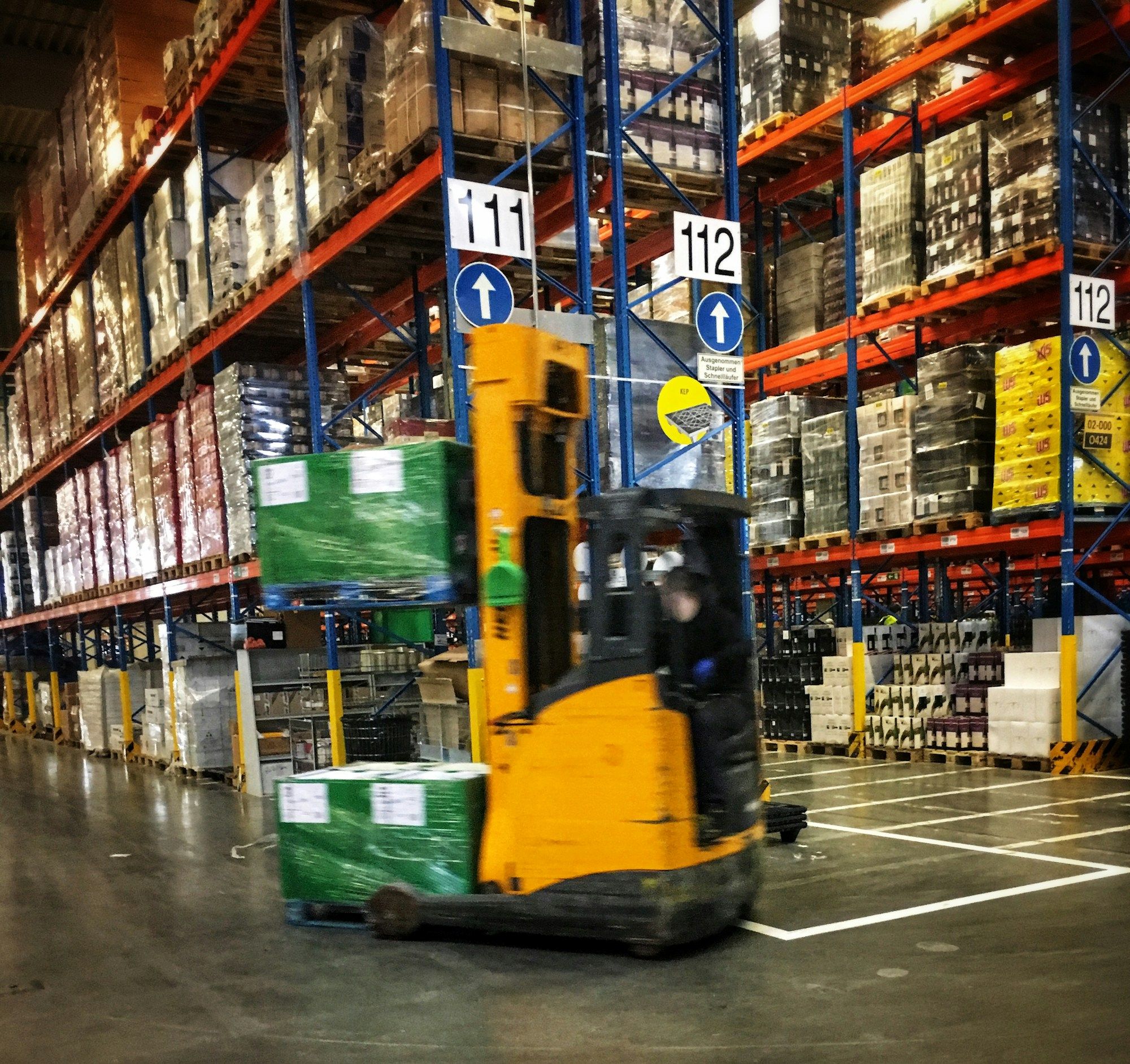
Construction and principal contractors
High-risk work, SWMS volume, Traffic Management Plans, multiple contractors, FSC and client audits. AI-generated documents will move through the system quickly because the pressure to produce paperwork is already high. The value is site assessment, verification, and making sure the document used on the job is the document that matches the job. Principal contractors also need a way to test contractor-supplied AI documents before they are accepted.
What this means for you: In construction, the pressure to churn out paperwork is relentless. Because artificial intelligence can write safety documents in seconds, unvetted digital files are flooding jobsites faster than ever.
The bottom line: Solve Safety steps in to verify that your Safe Work Method Statements (SWMS) and Traffic Management Plans actually match real site conditions. We also give principal contractors a foolproof way to screen and test subcontractor documents before they are accepted on the job.
Construction and Principal Contractors: A Step-by-Step Guide
Step 1: Managing High-Risk Paperwork Under Pressure
What happens: We address the intense administrative demand for Safe Work Method Statements (SWMS), Traffic Management Plans (TMPs), and contractor packs in fast-paced building environments.
Why it matters: When project deadlines loom, teams are heavily tempted to use AI shortcuts to generate compliance paperwork instantly—often introducing dangerous, unverified errors.
Step 2: Verifying Site-Specific Execution
What happens: We compare AI-generated safety documents directly against physical site conditions, plant machinery, subcontractor interfaces, and federal safety requirements (such as FSC guidelines).
Why it matters: A digital document that looks pristine on a screen is useless if it doesn't match the physical realities and hazards of the active worksite.
Step 3: Screening Subcontractor and Supplier AI Submissions
What happens: We establish robust vetting protocols enabling principal contractors to inspect, test, and approve or reject AI-drafted documents submitted by incoming trade contractors.
Why it matters: Principal contractors carry heavy legal liability for site safety; you need absolute certainty that every subcontractor's paperwork is genuine and reliable.
Step 4: Protecting Audit Readiness and Compliance
What happens: We lock down document controls and review cycles so your projects breeze through client audits, safety inspections, and regulatory scrutiny.
Why it matters: Defensible compliance protects your principal contractor status, shields your business from heavy penalties, and keeps your workforce safe.
Note: Fast paperwork should never mean compromised safety. Rigorous verification ensures your construction site stays compliant, controlled, and protected from digital shortcuts.
Labour hire and on-hired workforces
Host-site information quality is already a core risk. If a host provides AI-generated SWMS or inductions, the labour-hire PCBU still has duties. Solve Safety already inspects sites and advises whether employees should be placed. This service adds a structured way to test whether the paperwork can be trusted before people are sent. It also helps labour-hire businesses set their own internal rules, so consultants and coordinators are not pasting host information into public tools.
What this means for you: In the labour-hire industry, making sure a host site is safe before sending workers out has always been a major challenge. When host employers start using artificial intelligence to churn out safety documents and inductions, those risks multiply overnight.
The bottom line: Solve Safety gives your business a bulletproof way to test whether host-site paperwork can be trusted before your workers step foot on the job. We also help set internal rules so your own coordinators don't accidentally leak confidential data into public AI tools.
Labour Hire and On-Hired Workforces: A Step-by-Step Guide
Step 1: Managing Host-Site Compliance and Legal Duties
What happens: We address the core safety risks associated with placing workers onto external host sites, ensuring your business fulfills its strict duties as a Person Conducting a Business or Undertaking (PCBU).
Why it matters: Even if a host company provides the safety paperwork, your labour-hire business remains legally responsible for the health and safety of your on-hired workers.
Step 2: Screening AI-Generated Host Paperwork Before Placement
What happens: We establish structured verification protocols to test whether host-provided Safe Work Method Statements (SWMS), risk assessments, and inductions are accurate or just dangerous AI-generated fluff.
Why it matters: You cannot afford to send workers onto a site relying on unvetted digital paperwork that doesn't match actual operating conditions.
Step 3: Setting Internal Rules for Consultants and Coordinators
What happens: We build clear internal guidelines preventing your own office staff, account managers, and coordinators from pasting sensitive client information or worker details into unsecure public AI tools.
Why it matters: Protecting corporate confidentiality and privacy compliance stops data leaks before they start across your internal administration networks.
Step 4: Integrating Safeguards Into Existing Placement Audits
What happens: We weave these AI checks directly into Solve Safety’s established site inspection and placement evaluation routines.
Why it matters: This turns a complex digital risk into a smooth, routine part of your everyday onboarding process—protecting your workforce and safeguarding your company's reputation.
Note: Sending workers to a site requires absolute trust in the safety systems behind it. Rigorous AI verification ensures your people are always protected, no matter whose workplace they step into.
Warehouse, factory, logistics and cleaning
Plant, traffic, chemicals, labour-hire mix and repetitive procedures are easy for AI to document badly. Traffic management, pedestrian separation, isolation, hazardous chemicals and contractor control all need verification against the actual workplace. A generic warehouse SWMS is one of the fastest documents AI can produce, and one of the least likely to match a real floor layout, forklift routes or public interface.
What this means for you: In warehouses, factories, and cleaning operations, artificial intelligence can write a generic safety document in seconds. But a computer sitting in an office has no idea where your forklifts drive, how your chemicals are stored, or where your pedestrians walk.
The bottom line: Solve Safety takes those fast, risky AI drafts and cross-examines them against your actual floor layout, traffic routes, and machinery. We replace dangerous guesswork with real-world verification to keep your loading docks and factory floors safe.
Warehouse, Factory, Logistics, and Cleaning: A Step-by-Step Guide
Step 1: Identifying the Dangers of Fast, Generic AI Paperwork
What happens: We intercept generic, AI-generated Safe Work Method Statements (SWMS) and procedures that fail to account for high-risk industrial environments.
Why it matters: Warehouses and factories involve complex hazards like plant equipment, mobile plant traffic, hazardous chemicals, and mixed labor-hire workforces that require precise, site-specific controls—not cookie-cutter digital text.
Step 2: Verifying Traffic Management and Pedestrian Separation
What happens: We compare AI-drafted Traffic Management Plans (TMPs) directly against your actual floor layout, blind spots, racking configurations, and pedestrian walkways.
Why it matters: Mismatched traffic plans are a leading cause of forklift incidents and near-misses; physical verification ensures vehicles and people are safely separated on the ground.
Step 3: Checking Plant Isolation, Chemicals, and Contractor Control
What happens: We rigorously test procedures covering machinery isolation, hazardous chemical registers, and contractor cleaning schedules against daily operational reality.
Why it matters: Generic AI documents frequently miss local storage realities and plant-specific lock-out steps, exposing your business to severe compliance failures and safety risks.
Step 4: Locking in Defensible Operational Controls
What happens: We mark up, correct, and rebuild flawed digital drafts into practical safety rules that supervisors and floor staff can easily apply every day.
Why it matters: This ensures your logistics and cleaning operations remain fully audit-ready, protecting your workers and satisfying WorkSafe Victoria compliance standards.
Note: A generic warehouse safety document is often an accident waiting to happen. Rigorous site verification ensures your paperwork matches the reality of your floor.
Aged care, community support and other people-focused work
Confidential information, care notes, psychosocial risk, rostering and monitoring tools are the main exposures. An AI workplace policy is essential, but so is consultation and a clear rule about personal and sensitive information. Digital work systems that set tasks, monitor time or allocate visits can also create WHS risk even where no SWMS is involved.
What this means for you: In aged care, community support, and people-focused services, safety isn't just about hard hats and machinery—it's about privacy, care notes, heavy emotional workloads, and digital scheduling tools.
The bottom line: While you might not be writing traditional construction SWMS, artificial intelligence introduces major risks around data privacy, client confidentiality, and digital worker monitoring. Solve Safety helps you build strict data guardrails and practical rules to protect both your clients and your care staff.
Aged Care, Community Support, and People-Focused Work: A Step-by-Step Guide
Step 1: Safeguarding Confidentiality and Sensitive Client Data
What happens: We establish rigorous data-protection rules that prevent staff from pasting client care notes, medical histories, or personal identifiers into public artificial intelligence tools.
Why it matters: People-focused sectors handle highly sensitive personal information; leaking client data into unsecure digital platforms breaches privacy laws and destroys trust.
Step 2: Managing Psychosocial Risks from Digital Work Systems
What happens: We evaluate how automated rostering software, mobile tracking apps, and algorithmic visit allocators impact your frontline care workforce.
Why it matters: Digital systems that constantly monitor time, set rigid task targets, or increase isolation can create severe psychosocial hazards and burnout for support workers.
Step 3: Establishing Clear AI Workplace Policies Without Heavy SWMS
What happens: We design practical, tailored governance policies focused specifically on administrative AI use, client communication, and digital documentation rather than traditional industrial templates.
Why it matters: Even without factory machinery or construction gear, care providers need crystal-clear boundaries around what digital tools are permitted and what is strictly banned.
Step 4: Ensuring Meaningful Worker Consultation and Compliance
What happens: We engage directly with care coordinators, support workers, and management to ensure new digital workflows are transparent, fair, and legally compliant.
Why it matters: Involving your people in shaping digital rules builds a supportive workplace culture and keeps your organization fully aligned with modern OHS psychosocial regulations.
Note: In people-focused work, digital tools touch lives as much as operations. Proper AI governance protects client privacy while supporting the wellbeing of your care team.
Automotive, agriculture and other operational businesses
Plant, chemicals, seasonal labour, remote work and contractor mix all create the same pattern: people use AI to fill a documentation gap, and the gap remains in the actual controls. The assessment still starts with the work, not the prompt.
What this means for you: In automotive workshops, farms, and field operations, teams often turn to artificial intelligence when they are scrambling to fill missing paperwork. But typing a quick prompt into a computer doesn't fix the actual safety hazard out in the field.
The bottom line: Solve Safety cuts through the digital shortcut trap. We start our assessment by looking at the actual work—the machinery, the chemicals, the seasonal workers, and remote conditions—ensuring your safety controls match reality, not just a screen.
Automotive, Agriculture, and Other Operational Businesses: A Step-by-Step Guide
Step 1: Spotting the Documentation Gap Trap
What happens: We identify where busy workshops, farms, and operational businesses use AI to rapidly generate safety procedures to cover missing paperwork.
Why it matters: Typing a prompt into a computer creates an illusion of compliance, but the physical safety gap remains wide open on the shop floor or in the paddock.
Step 2: Managing Complex Plant, Chemicals, and Seasonal Labour
What happens: We examine how fast-paced operations juggle heavy machinery, hazardous automotive or agricultural chemicals, and rotating seasonal or temporary workers.
Why it matters: These high-turnover, high-hazard environments require robust, easy-to-understand controls that temporary staff can follow safely from day one.
Step 3: Addressing Remote Work and Contractor Mixes
What happens: We review safety protocols for remote job sites, mobile service units, and mixed contractor teams operating across decentralized locations.
Why it matters: Generic AI tools fail entirely when applied to remote or multi-employer environments where supervision is limited and conditions change rapidly.
Step 4: Starting with the Work, Not the Prompt
What happens: We build our verification and risk assessment around the actual physical tasks being performed, ensuring every procedure is tested against real-world plant and operating conditions.
Why it matters: Safety is built through hands-on operational control, not automated text generation. We ensure your business stays protected and fully compliant under Australian law.
Note: A quick AI prompt can draft text in seconds, but real safety starts with understanding the work on the ground. True operational control keeps your team safe across every season and site.
Organisations on an ISO, FSC or CM3 pathway
If you are building or maintaining ISO 45001, ISO 9001, ISO 14001, Federal Safety or CM3, AI use should be brought into the system now, while the processes are being built or reviewed. Retrofitting controls after a non-conformance, a client finding or an incident is more expensive and harder to defend.
What this means for you: If your business is currently pursuing or maintaining major accreditations like ISO standards, Federal Safety Commission (FSC) accreditation, or CM3 contractor pre-qualification, you need to bring artificial intelligence under control now.
The bottom line: Trying to retrofit AI safety controls after an external auditor hands you a non-conformance finding—or worse, after an incident occurs—is far more expensive, stressful, and difficult to defend. Integrating AI into your system during your current review phase saves time, money, and headaches.
Organisations on an ISO, FSC, or CM3 Pathway: A Step-by-Step Guide
Step 1: Integrating AI Controls Before Certification Audits
What happens: We embed artificial intelligence governance directly into your management systems while you are actively building, updating, or reviewing your ISO (45001, 9001, 14001), FSC, or CM3 pathways.
Why it matters: Addressing AI risks proactively ensures your systems are fully audit-ready from day one, preventing nasty surprises when the external auditor arrives.
Step 2: Avoiding Costly Retrofits and Defending Compliance
What happens: We establish robust document verification and risk controls now, eliminating the scramble to fix unvetted AI paperwork after a client audit or regulatory inspection.
Why it matters: Fixing compliance gaps after an auditor flags a non-conformance is disruptive, expensive, and much harder to justify to principal contractors or regulators.
Step 3: Aligning Digital Tools with Pre-Qualification Standards
What happens: We map your AI usage, document controls, and competency checks directly against the rigorous evidence requirements demanded by schemes like CM3 and the Federal Safety Commissioner.
Why it matters: Pre-qualification systems require proof of genuine operational control; our structured approach gives you clear, defensible audit trails that satisfy every external requirement.
Step 4: Securing a Unified, Audit-Ready Management System
What happens: We lock everything into your existing certification framework so that AI is handled as a standard part of your quality, safety, and environmental management loops.
Why it matters: One seamless system means fewer administrative silos, easier internal reviews, and absolute confidence during your next compliance audit.
Note: Proactive integration is always easier—and cheaper—than reactive damage control. Embedding AI governance into your current accreditation pathway locks in compliance before problems arise.
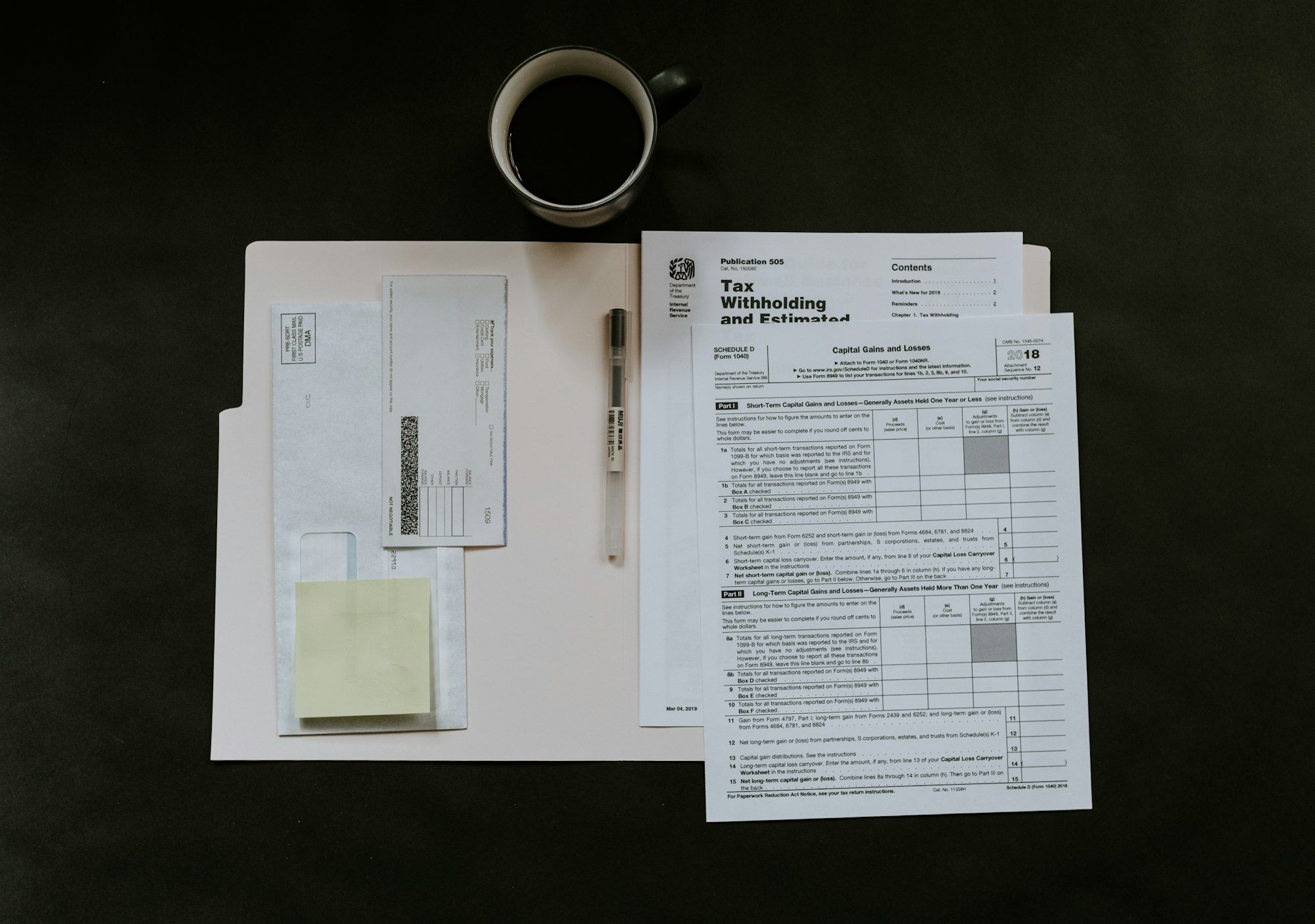
What you receive
A typical engagement can include some or all of the following, depending on scope:
AI use and workplace risk assessment
gap analysis against legal duties, current WHS/IMS controls and good governance practice
prioritised action plan and corrective actions
workplace AI policy and acceptable-use rules
roles, competency and approval matrix
document-control rules for AI-generated content
review and verification of selected AI-generated SWMS, procedures, TMPs, registers or training material
risk register entries and recommended control measures
leadership briefing
worker consultation support
integration with your existing safety management system or IMS
ISO 45001 / 9001 / 14001 mapping, and ISO/IEC 42001 readiness where required
scheduled review, internal audit support and ongoing retained advice
We work closely with you to develop manageable and sustainable outcomes, with a commitment to resolving confusion around legal requirements and providing practical solutions. Solve Safety Pty Ltd is committed to providing professional Safety, Quality and Environmental consultation services. Our mission is to always provide clients the highest standard of professionalism and to meet or surpass client requirements and expectations.
What this means for you: When you partner with Solve Safety, you don't just get a generic stack of digital files—you receive a complete, tailored toolkit designed to bring absolute clarity and control to your artificial intelligence usage.
The bottom line: Depending on the scope of your engagement, you receive everything from hands-on risk assessments and policy frameworks to ISO mapping and ongoing audit support. Our mission is simple: to provide the highest standard of professional consultation and deliver practical solutions that completely resolve your legal and operational compliance challenges.
What You Receive: A Step-by-Step Guide to Your Deliverables
Step 1: Baseline Assessment and Gap Analysis Reports
What happens: We deliver thorough evaluations of your current AI usage, paired with a detailed gap analysis measuring your practices against your legal WHS duties, existing management systems, and recognized governance standards.
Why it matters: Leadership receives an objective, crystal-clear picture of where unvetted digital tools or document controls expose the business to liability.
Step 2: Tailored Policies, Approval Rules, and Control Frameworks
What happens: We provide comprehensive documentation customized to your operations, including:
Workplace AI policies and clear acceptable-use rules.
Roles, competency frameworks, and management approval matrices.
Document-control rules specifically governing AI-generated content.
Risk register entries and practical, prioritized corrective action plans.
Why it matters: These tools remove guesswork for your team, establishing robust administrative guardrails that fit seamlessly into daily workflows.
Step 3: Document Verification and System Integration
What happens: We review, verify, or rewrite selected AI-generated Safe Work Method Statements (SWMS), procedures, Traffic Management Plans (TMPs), and training materials—integrating them directly into your safety management system or Integrated Management System (IMS).
Why it matters: This ensures your paperwork matches the physical reality of your workplace, keeping your operations fully compliant and audit-ready.
Step 4: Leadership Briefings, Worker Consultation, and ISO Alignment
What happens: We conduct leadership briefings, support meaningful worker consultations, map your systems against ISO 45001, ISO 9001, and ISO 14001, and provide readiness support for ISO/IEC 42001 where required.
Why it matters: This aligns your digital governance with broader business accreditations, ensuring a single, unified audit trail.
Step 5: Scheduled Review, Internal Audits, and Ongoing Assurance
What happens: We establish scheduled review cycles, support internal audit programs, and provide ongoing retained safety advice to ensure long-term compliance.
Why it matters: Compliance is a continuous commitment. Our ongoing partnership protects your business from future risks, delivering sustainable outcomes and complete peace of mind.
Note: Solve Safety Pty Ltd is committed to providing professional Safety, Quality, and Environmental consultation services. Our mission is always to provide clients with the highest standard of professionalism and to meet or surpass your requirements and expectations.
Our Mission Statement
Solve Safety Pty Ltd is committed to providing its clients, professional Safety, Quality & Environmental Consultation services. Our Mission is to always provide our clients the highest standard of professionalism and shall always meet or surpass our client’s requirements and expectations.
Why organisations use Solve Safety for this work
You do not need a new kind of consultant who has never been on a site. You need a consultant who already understands organisational risk, governance, compliance, leadership systems and operational controls — and can treat AI as another organisational risk that requires policies, risk assessment and ongoing monitoring.
Solve Safety already provides:
risk assessment and management
safety audits and inspections
safety management system development and implementation
scheduled workplace assessment audits
ISO 45001, ISO 9001 and ISO 14001 preparation and support
SWMS/JSA facilitation
Traffic Management and site-specific assessments
labour-hire host-site inspections
WorkSafe intervention support
ongoing retained safety support
AI governance sits on top of that work. It is not a separate brand, and it should not become a separate unused system. Our qualified, experienced consultants visit the workplace with a fresh perspective, provide site-specific legal and regulatory guidance, and stay with you through implementation and review.
That is also how we protect the value of the relationship. As generic document production becomes cheaper, the work that remains valuable is assessment, identification, judgement, implementation and assurance. This service is built on that shift. Clients are not paying for typing. They are paying for a competent person to say whether the workplace is under control.
What this means for you: You don't need a tech theorist who has never set foot on an industrial floor to handle artificial intelligence governance. You need seasoned safety professionals who already understand real-world risk, legal compliance, and operational controls.
The bottom line: Solve Safety treats AI like any other critical workplace hazard—integrating it directly into your existing safety systems rather than building an isolated, unused software binder. As generic typing becomes cheap and easy, you aren't paying for documents; you are paying for experienced human judgment to verify that your workplace is genuinely safe, compliant, and under control.
Why Organisations Use Solve Safety: A Step-by-Step Guide
Step 1: Leveraging Deep, Real-World Operational Experience
What happens: We apply decades of hands-on expertise across safety audits, risk assessments, management system builds, and regulatory compliance directly to your digital operations.
Why it matters: You avoid consultants who only understand theory; our team knows how work is executed on the ground across construction, warehousing, labor hire, and care sectors.
Step 2: Treating AI as a Core Organisational Risk
What happens: We integrate artificial intelligence governance seamlessly into your existing framework of safety audits, SWMS reviews, Traffic Management Plans, and WorkSafe compliance support.
Why it matters: AI is not a separate tech project—it directly impacts safety paperwork and legal liability. Keeping it unified prevents administrative silos and extra paperwork.
Step 3: Providing On-Site Perspective and Legal Guidance
What happens: Our qualified, experienced consultants visit your workplace to provide fresh perspectives, site-specific regulatory guidance, and practical leadership support through every phase of implementation.
Why it matters: Real safety assurance requires physical verification and professional judgment that a remote desktop review or generic software tool can never replicate.
Step 4: Investing in Human Judgment Over Automated Typing
What happens: As automated text generation becomes cheap and ubiquitous, we shift the focus entirely to what actually matters: rigorous assessment, critical identification, professional judgment, hands-on implementation, and ongoing assurance.
Why it matters: When regulators, auditors, or principal contractors inspect your operations, you aren't paying for typing—you are paying for a competent professional to confirm that your workplace is fully under control.
Note: Solve Safety Pty Ltd is committed to providing professional Safety, Quality, and Environmental consultation services. Our mission is always to deliver the highest standard of professionalism, cutting through digital noise to ensure your business remains safe, audit-ready, and legally defensible.
Frequently asked questions
Do we need AI governance if we only use ChatGPT occasionally?
Yes, if that use can affect safety documents, confidential information, client work or decisions about workers. Occasional use is often the highest-risk use, because there is no agreed process, no review trail and no one clearly accountable. The first poor SWMS, the first confidential incident pasted into a public tool, or the first client audit question is enough to show the gap. “We don’t really use AI” is usually not accurate once you ask the people doing the documents.
Can AI write our SWMS, procedures or Traffic Management Plan?
AI can assist with a first draft. It cannot replace workplace assessment, hazard identification, consultation, legal interpretation or verification. If a document will be used to control risk, a competent person still has to own it. Solve Safety can review AI-generated documents against the actual operation and bring them up to a standard you can stand behind. In many cases the cheapest path is not generate and hope. It is draft, then verify against the site.
Is this the same as IT, cyber or AI ethics consulting?
No. Those services have their place. This service is workplace risk, WHS/OHS compliance, document control, competency, consultation and management-system assurance. We look at how AI affects your people, your sites, your safety documents and your legal duties as a PCBU or duty holder. We can work alongside your IT or cyber advisers. We do not replace them, and they do not replace site verification.
How does this fit with ISO 45001 or triple ISO certification?
Directly. AI use affects document control, competence, leadership, consultation, risk management, operational control and continual improvement. We can add AI governance to the system you already have, rather than creating a separate folder of unused policy. For some organisations, ISO/IEC 42001 readiness will also be appropriate. For most operational businesses, the first need is to get AI under the existing ISO 45001, ISO 9001 and ISO 14001 system.
What is ISO 42001 and do we need certification?
ISO/IEC 42001 is the international AI management system standard. Certification is not currently a legal requirement for most private businesses. Alignment can still be useful, particularly where clients, government work or an existing IMS make a formal framework worthwhile. We will not push certification for its own sake. We will tell you whether a practical workplace AI control system is enough, or whether a fuller AI management system is justified.
Will this stop our staff using AI?
Not unless a particular use is unsafe, unlawful or uncontrolled. The aim is to allow useful AI use with clear boundaries: approved tools, prohibited inputs, mandatory review, and accountability. Banning AI outright often just pushes it underground. Governing it brings it into the management system. Used well, AI can reduce the non-billable grind of first drafts. Used badly, it creates documents nobody should rely on.
Can you review documents our contractors or hosts have generated with AI?
Yes. That is a common request, particularly in labour hire, construction and multi-contractor workplaces. We can assess whether the document is adequate for the work, identify gaps, and recommend whether it can be used, must be revised, or should not be relied on. That recommendation can sit alongside existing host-site inspection work.
Does this replace a normal WHS risk assessment or safety audit?
No. It can be done on its own, but it is stronger when combined with site assessment, system audit, SWMS verification or ISO gap analysis. AI is one source of risk inside the broader WHS picture, not a replacement for it. If the workplace still has plant, traffic, chemicals, psychosocial hazards and contractor interfaces, those still need to be assessed in the ordinary way.
What if we already have an AI policy from HR or a template we downloaded?
That is a starting point, not the finish. Most downloaded policies do not deal with SWMS approval, site-specific verification, labour-hire document flow, ISO document control, or the actual tools staff are using. We review what you have, identify the operational gaps, and turn it into a control that belongs in the safety system.
How is this priced?
On the professional service and the outcome, not on how many pages are typed. If AI makes production faster, that time should go into better assessment, better verification and better deliverables — not into a cheaper generic document. Scoping is based on the size of the organisation, the number of sites, the current AI use, and whether the work is a one-off assessment or part of retained support.
Do you work outside Melbourne?
Solve Safety is based in Melbourne and services clients Australia wide. AI governance reviews can often start with interviews, document review and system assessment, then move to site verification where the risk requires it.
What should we do before the first meeting?
It helps if you can tell us which AI tools people are using, which document types have already been generated, whether any policy exists, whether contractors or hosts are supplying AI-generated documents, and whether clients, auditors or insurers have started asking questions. If you do not know, that is useful information in itself. Mapping unknown use is part of the assessment.
Related services

Talk to Solve Safety about workplace AI risk
If your organisation is already using AI, or your clients are starting to ask how you control it, now is the time to put governance around it. Waiting until an incident, a failed audit, a privacy issue or a WorkSafe enquiry is the expensive version of this work.
Solve Safety will help you assess the risk, put practical controls in place, verify the documents that matter, and keep professional judgement where it belongs: with people who understand the work.
A robust safety culture remains the cornerstone for preventing workplace accidents and incidents. AI does not replace that culture. Used without control, it can quietly undermine it. Used with assessment, consultation, verification and review, it can support better systems — provided the organisation stays in charge.
Get in touch to schedule an AI governance and workplace risk consultation. We will talk through how AI is currently used in your business, where the exposure is, and what a practical first stage of work looks like.
Email: admin@solvesafety.com.au
Based in Melbourne, servicing Australia wide.


Schedule an AI governance and workplace risk consultation
Get in touch
