
WorkSafe Charges Manufacturer After Derrimut Factory Fire

-
Do you have legal Safe Systems of Work?
-
Are you the "Workplace" Duty Holder?
For those that Own, Operate, Control, Manage or Supervise a workplace.
Contact us now for your Free! “Partnering” 7 Point Safety Compliance Assessment.


What happened?
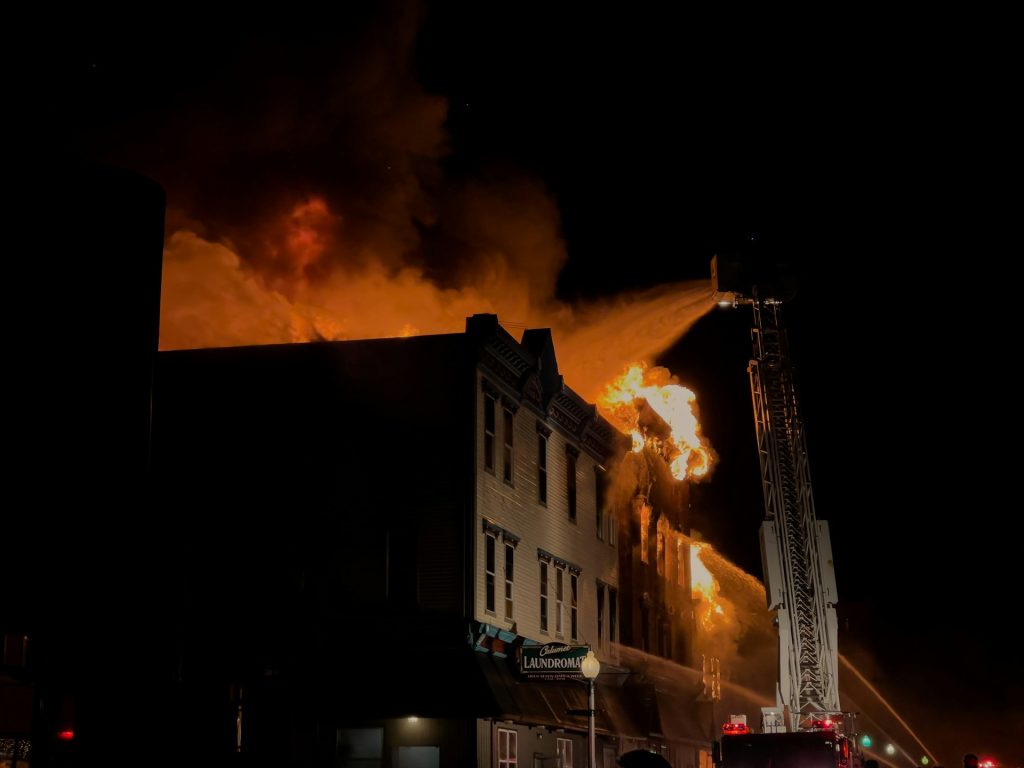
WorkSafe Victoria has charged ACB Group Pty Ltd following a catastrophic factory fire that destroyed part of its chemical manufacturing facility in Derrimut in July 2024. The incident was sparked while workers were decanting dangerous goods from an intermediate bulk container into a 20-litre drum, when a static electricity discharge ignited the flammable materials.
Fortunately, there were no reported injuries, but the fire caused extensive damage to the site and required a major emergency response.
The charges
WorkSafe has laid five charges against the company:
- Three charges under the Occupational Health and Safety Act for allegedly failing to provide and maintain a safe working environment.
- Two charges under the Dangerous Goods Act for allegedly failing to take all reasonable precautions to prevent a fire or explosion and prevent damage to property.
The regulator also alleges the company failed to:
- Provide safe systems of work.
- Give workers adequate information, instruction and training.
- Provide appropriate supervision when handling dangerous goods.
The matter is scheduled for a filing hearing at the Melbourne Magistrates’ Court on 9 July 2026.
Why static electricity is a serious hazard
Static electricity might seem harmless, but in workplaces handling flammable liquids and dangerous goods, it can become an ignition source capable of triggering explosions or large-scale fires.
During the transfer of flammable liquids, static charges can build up if equipment is not properly bonded or earthed. A single spark can ignite vapours, placing workers, emergency responders and nearby businesses at serious risk.
Lessons for businesses handling dangerous goods
Workplaces that manufacture, store or transfer hazardous chemicals should ensure they:
- Bond and earth containers during liquid transfers.
- Use equipment designed for handling flammable substances.
- Train workers on dangerous goods procedures.
- Supervise high-risk tasks.
- Regularly inspect and maintain transfer equipment.
- Review emergency response plans and fire protection systems.
Many chemical fires are preventable when the right engineering controls and safe work procedures are in place before work begins.
The bigger picture
Handling dangerous goods comes with significant legal responsibilities. Businesses must not only protect their own workers but also reduce the risk of fires, explosions and environmental damage that can affect surrounding communities.
This prosecution highlights that safe systems of work, effective training and proper supervision are essential whenever hazardous chemicals are involved. A single lapse can have widespread consequences.
TL;DR
- ACB Group Pty Ltd has been charged after a major factory fire at its Derrimut chemical manufacturing site.
- WorkSafe alleges the fire was triggered by a static electricity discharge while dangerous goods were being transferred into a 20-litre drum.
- The company faces three charges under the Occupational Health and Safety Act and two charges under the Dangerous Goods Act.
- Allegations include failing to provide safe systems of work, adequate training and proper supervision.
- The case reinforces the importance of controlling ignition sources and following safe procedures when working with flammable chemicals.
Commentary by Ray Boekelaar (Senior certified OHS/WHS Safety Consultant for www.solvesafety.com.au)
Ray Boekelaar is more than just a career “work retired” grandfather, father, and blogger, who loves AWD-SUV semi off road adventure camper traveling the highways and byways throughout the vast states and territories of the Australian continent. When he is not doing some casual OHS Safety or Real Estate Consulting for these respective organisations, as a “key opinion leader” (KOL) you will find him in between times trip planning historical tourist destinations and heading out into the sunset, on his next of many scheduled road touring travel adventures.


Schedule Your Safety Consultation & Compliance Assessment
Get in touch
